Sleep in the Time of Covid

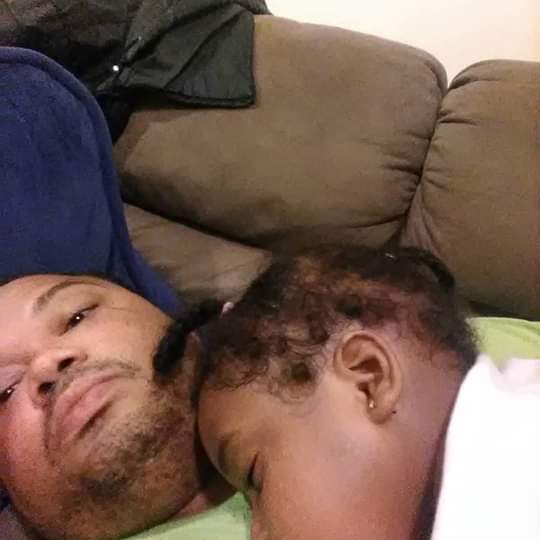
Wham! What the…?! Who in the….?! Doing my absolute best to refocus. I’m still groggy as I begin slipping back into consciousness and regaining my equilibrium. Disbelieving about what has just transpired. Someone just hit me with an elbow in my Medulla Oblongata, you know from The Waterboy, and it almost rocked me. The fight has begun. I do not intend to let my unknown assailant win and as the kids would say: I want all the smoke. I shift my weight and prepare to strike pivoting to provide a smaller target. Wait, what, why am I being hit in the back of my head. I’m not out partying at a club in college and I’m not in a competition right now. All I did was jump into bed.

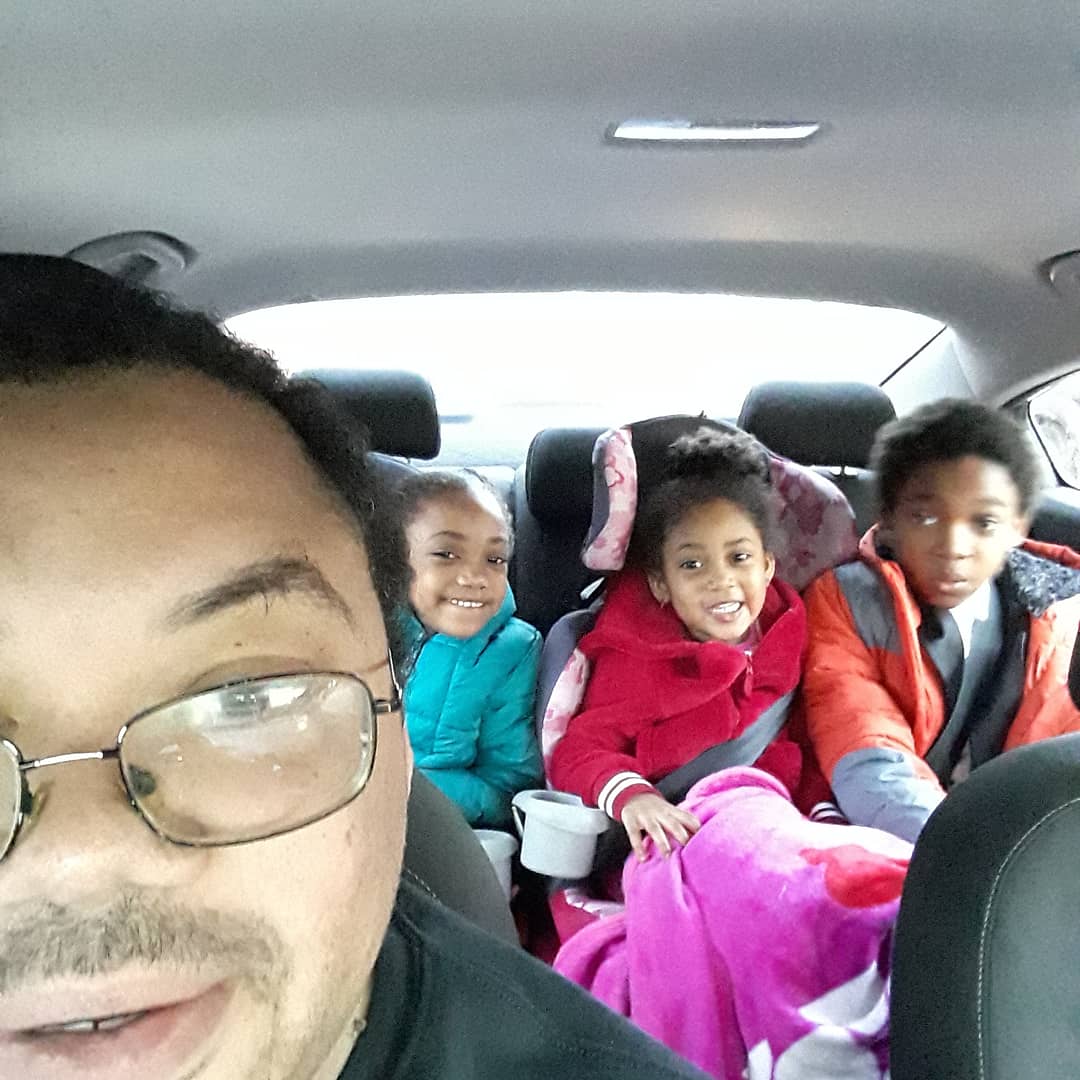
    I was just getting set for a relaxing moment with my mistress, Sleep. So why am I being struck with an elbow moving quicker than any elbow Jon Jones has thrown in his entire MMA career. Well, my daughters’ schedules have been tossed off with this shelter-in-place situation. That means more often than not they end up in the bed with me and my wife. 

 Everyone has been compelled to make drastic changes due to the COVID-19 pandemic. I guess it didn’t register with me that the girls would be much affected. Sure they are missing school and daycare but they seem to be in high spirits and no noticeable displays of dysfunction were present. My kids are 12, 6, and 4, and the girls, the youngest two, do not keep up with current developments. I could not have been more wrong. 
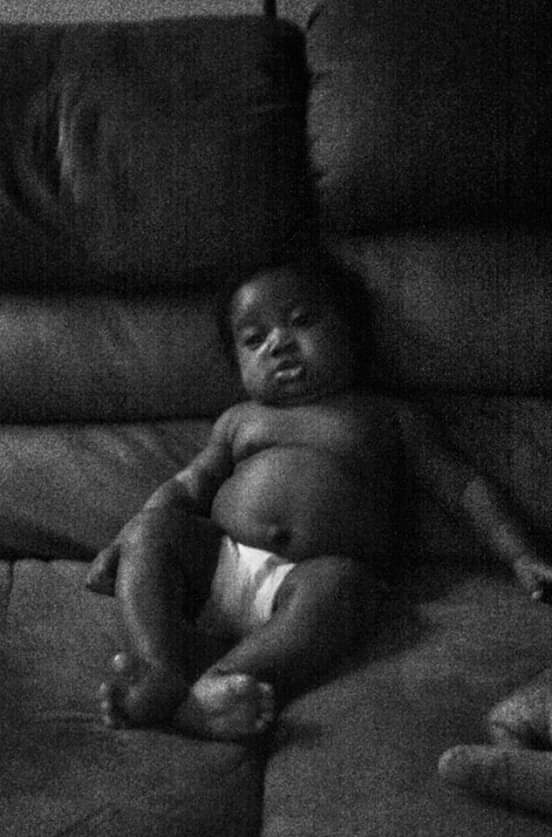
  Princesa, my oldest daughter, and mi muñeca, the baby have been having a hard time sleeping after about the first 2 weeks of the shelter in place. If they were infants we would say that they have their times mixed up. They occasionally display symptoms of insomnia but now the lack of slumber is very alarming. The quality of sleep has also been impaired. Both girls are chaotic sleepers at best but recently the moves that they perform in their sleep fit right in with the move-set of your favorite Street Fighter character. Trying to homeschool two headstrong girls after a poor night’s rest has been on par with a Herculean task. Candidly, Hercules would have had an easier time trying to kill the Nemean Lion and the Hydra blindfolded than I do getting through first-grade science and I taught chemistry to high schoolers and anatomy to half of my floor in college.

These nightly fight clubs have also affected my wife and I. Typically my routine consists of the gym 3-4 times a week for an hour just so I’m not a hypocrite when I tell my patients to exercise regularly. With me having so many consecutive sleep-deprived nights, I have uttered the words “Screw push-ups” more than a few times. My wife is a nurse so she’s feeling it harder than I am. She’s managed to maintain her composure in the field but we stay away from her at home. Mi muñeca has referred to her plenty of times this week as a Disney villain. If you have a four-year-old you know this comparison is more than unfavorable. To be truthful the whole house at times has been a confrontational bunch of militants.
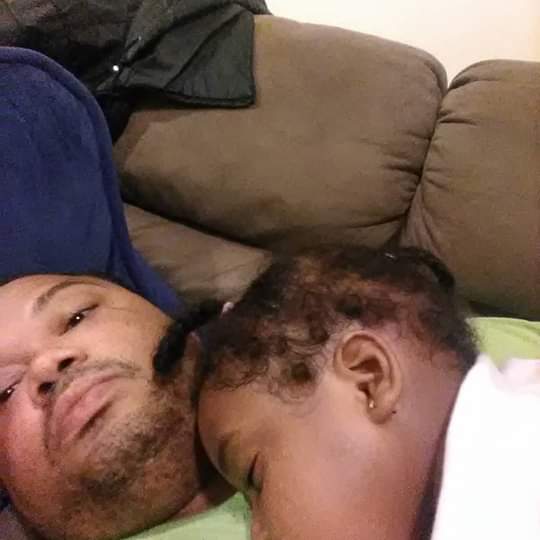
 The pain in my back that I haven’t had in a while is also starting to come back. I can’t tell if it is from the steady diet of dropkicks I now receive at night or due to my not being able to take care of myself like I need to because every free moment I get I’m fighting the urge to call the hogs. I know the lack of sleep is amplifying my back pain and my wife is beginning to have more complaints of what appears to be random aches and pains. Unfortunately that’s what happens when you don’t get to rest and replenish. The kids and I decided to and added in more physical activity/challenges to keep us healthy and sane. Don’t despair you won’t see me doing any of these dance challenges, I’m not about that life. We are just trying to cope as I’m sure others are too. So as a family we’ve added things that we all like to do and make sure we get more time away from each other in our preferred sections of the residence when required. Also the grappling dummy I bought for training has been receiving extra work recently as everyone is now taking turns. 

  Speaking with other families, I have found it can be worse. We try to get out at least a little bit every day but others don’t even get that bit of air. People have been gaining weight left and right and I recently heard the phrase COVID-15, as in gaining 15 pounds during this pandemic, has entered the common vernacular. The extra weight gain is not good on the joints and that can also contribute to increased pain especially coupled with lack of activity, a decline in mood, and decreased sunlight.

  With the current change in our lives we have to be careful. We need to make certain we take care of ourselves physically, mentally, and spiritually. We also need to check in on our kids as they could be stirred in ways we don’t even know about. If we stay strong and persevere we can get through this but we have to remember to take care of ourselves. For me it may mean sleeping on the floor because it’s harder to get hit with spinning elbows if you’re on a different level. I guess that will then make me a prime target for an elbow off the top rope but at least then I will get a warning of “Hey daddy, catch.”

Knee Pain

“My knee is really stiff in the morning. My knee pops all the time. Walking more than a few minutes makes my knee hurt too bad. Going up the stairs hurts my knee. Getting up from the toilet is hard on my knee. I can’t squat because of my knee. Running makes my knee hurt.”

I hear these phrases frequently in the clinic. The knee serves two main purposes: providing stability during weight bearing and mobility during functional activities.  The knee is located between two the hip and ankle. Being situated between two highly mobile joints can at times create issues at the knee. The knee generally tends to compensate for problems at either joint and dysfunction at the knee tends to be due to the fact that the hip or ankle wrote a check that the knee can’t cash. There are plenty of instances of a person having a “successful” knee surgery and still present with  limitations. 

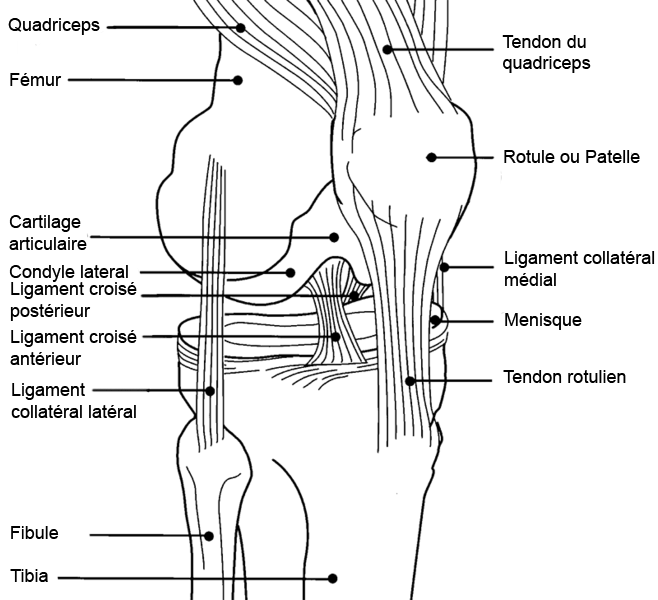
The knee is stabilized due to sturdy ligaments, robust muscles and the joint capsule. The ligaments in the knee are the ACL, PCL, MCL and LCL. The MCL and LCL are tight during extension and rotating the knee to the outside while the ACL and PCL are taut in the opposite directions. The hamstrings and quadriceps normally thought to work opposite of each other actually work together while weight bearing for support. Separately they do work to flex and extend the knee respectively.  It should be stated that the muscles of the knee aren’t just quadriceps and hamstrings but stability is also drawn from the hip extensors and external rotators and the calf. With all the ligamentous support and a bevy of muscles to rely on the knee complex is a resilient structure.

The knee is a resilient structure and with most injuries the knee will heal. The popping sound that you may hear when walking is usually just gas being expelled from the joint. Pain with squatting or running can usually be improved with a progressive rehabilitation program emphasizing strength and mobility of the lower chain  with tweaks to the person’s form while doing said activity. Even the dreaded bone on bone, which I was told at the ripe old age of 24 that I have, can be treated with conservative interventions in most cases.

Proper rehabilitation of the knee should not just include exercises lying on the bed bending and straightening the leg. The knee is a complex structure and any proper treatment should include  examination and treatment of foot/ankle and the hip. Exercises should include activities such as squatting, lunging, lifting and single leg work. Remember from above the knee has a rotation component so the training should include movements moving in all directions not just front to back.  Quadriceps and hamstring strengthening should also be included in the program. Generally, a rehab program will start off with building blocks: working on quad and hamstring strength in isolation, isometrics and open chain exercises. Open chain exercises are the ones where your foot is not touching the floor or a platform free to move around such as hamstring curls and the knee extension machine. Interventions will also include leg lifts with the client laying in on their sides, stomach and back. The amount of repetitions that you do should vary by what function or goal  the therapist. Each exercise you do shouldn’t be just 3 sets of 10 and after the first couple of weeks you should be spending a good amount of your time in therapy standing. 

 Know that if therapy has become too easy for you and you are not challenged you need to let the therapist know. We appreciate feedback and want you to be an active participant in the rehab progress. When a patient comes in with physical/functional goals it is easier to come up with a program for them and they tend to be more pleased with their progress. We understand that our patients want reduced pain but reduced pain with what.  Unfortunately being pain free is a nebulous goal. In life there will be some instances where you have pain. As a therapist, I and the majority in my field want to know specifics. Wanting to have reduced pain or to just be able to walk from the house to the mailbox or trash can gives us an objective measurable goal. Come in with measurable goals and expect to be an active member of your rehab progress. Understand that our clients at most are only with us about 3 hours every week and it’s usually less than that in a good week. If you really want to see improvements you have to put the work in at home.  In my experience the patients that take care of business on their end by being compliant with HEP and by being active participants in their therapy tend to do better and are more likely to be pleased with the results.

The Abyss

Marq. Jordan PT, DPT

Imagine you step out of your comfort zone and open a business. You’ve been working for someone else your entire life.  Sure you’ve been in charge before but technically only middle management with no more than 7-8 people under you. Money’s good and you have  great benefits but you can’t sleep well because there is always a gnawing in the pit of your stomach that you could do more. You wake up frequently realizing that there’s more you could be doing but the model that you are working in  does not give you the time you need for your clients. So finally after talking about it since Day 1 of college you take that leap of faith into the unknown and go out on your own. Sure, it’s rough at first, at times if you’re honest you just want to cut bait and run. However, everyday you step out there you have a sense of accomplishment even when every door you try to go through gets closed in your face. 

Your whole life has prepared you for hardship and taught you how to adapt. You hate the word no but strangely it motivates you.  Failure hits you hard but bouncing back is just what you do. Just when it looks like your year is coming around…everything is shut down due to the coronavirus. Now you feel like you are staring at the edge of the abyss while every facet of life is stomping a mudhole on you trying to knock you off into the void.

My story is just like most of you out there. If we all think about it, life is a history of ups and downs with probably more valleys than peaks. If you are like me you may tend to look back and wonder if you made the right decision. Sometimes looking back in regret. Then I realize that just like the healing process in the body without stress, without irritation, without being placed under a load we don’t get stronger. We don’t improve. 

One of the first things we learned in P.T. school was Wolff’s law: Bones will grow and adapt in response to the load placed on it. Basically the bone will grow and get stronger based on the specific stress placed on it. It’s the same thing with collagen, disc and cartilage. Our bodies require stress to grow.  The human body feeds upon stress. That’s part of the reason why astronauts come home from an extended amount of time in space weakened. Without the stress of gravity on them their bodies softened. Scientists and therapists have come up with ways to deal with this problem. In practice, frequently a client comes in that has not participated in physical activity for prolonged periods of time and the simple task of even standing up without using their  hands is a herculean effort. Same thing in our lives. Without stressors or hardships we cannot grow or get stronger.

Right now life is hard. Life is hard for everyone and stressful does not feel adequate enough to describe what’s going on.  Yes, it is an inconvenience to be stuck in the house for the majority of the day. I miss the gym and hanging out with the guys. Not being able to work a part time job right now is proving costly. I will adapt, must adapt because the alternative is not palatable. We will adapt, we will get stronger and come out of this for the better. Just like how bones and muscles adapt to stress. Right now 2020 has been a series of valleys (trials) for many of us but these trials, the stress of these trials will make us stronger. So maybe it is not an abyss, pause for a moment  and enjoy the view. Once I adjusted my perception to see that due to what’s going on in the world right now I’m allowed to spend more time with my kids, and have more time to pause, evaluate and plan. Just like weightlifters see the pain that they may experience after working out a good thing we too need to see this as a chance to grow and get stronger.

Marq “Q” Jordan has been an Outpatient Physical Therapist for 14 years. Currently the owner operator of Fearless Physical Therapy a concierge mobile P.T.  clinic serving Hampton, Newport News, Williamsburg and the surrounding area. If you are in need of Physical Therapy services contact us at www.fearlessphysicaltherapist.com . We offer telehealth and onsite treatments.

Common Injuries in Combat Sports

by Dr. Marquis Jordan PT,DPT

Ok it’s almost  time to step out there onto mat. Just finished jumping rope to warm and burn off some of that nervous energy. Doesn’t work, stomach is churning as you finish up your pre-fight routine. Two slaps to the face, one dead center in your chest now down your legs. Center of the ring now staring the opponent in the face. Staring eye to eye silently saying to the villain  “You may try but you will not take this from me.” Referee says fight and now it’s time to impose your will.

The lights are bright and the temperature in the ring reaches a supernova. As the complicated dance of two opponents trying to enforce their will continues. Feinting and retreating each participant trying to gauge the other’s movement patterns and defenses. Looking for the slightest opening. The adversary is nimble, agile and well versed in this dance this will be no easy task.  There!!! The nemesis has made a slight misstep… Strike now! Strike adeptly and violently. The nemesis has recovered and now is the chaos of a scramble. Jostling around for what seems an eternity the advantage is taken. But no, the nemesis will not go quietly until the last lunge at the inside of the leg which during the manic scramble was placed within grasp. The pain as the limb bows out awkwardly as the foot is pointed one way and the rest of the body goes counter. Now in agony, unable to stand independently a thought creeps in. “Can I recover from this. Will I walk and run. Can I come back from this?”

Growing up in Hampton Virginia and the neighboring cities during the 80’s and 90’s combat sports was a part of your life. Boxer Sweetpea Whitaker was at his prime and we all tried to emulate his style. We’ve had kickboxers, pro wrestlers and MMA fighters come out of this area. There is even an entire style of wrestling that takes it’s name from a school in the area. This was also the time of movies such as the iconic Karate Kid, Vision Quest and Bloodsport and television shows with ninja’s and other skilled fighters. In neighborhoods all along the 757 no the nation we pretended to to hold competitions where “One shall stand and One shall fall.” Some of my closest friends and I wrestled in high school and now we have our kids in various combat sports. Even during my time as a Physical Therapist I have found myself drawn to these athletic endeavors.

With wrestlers, I have quite frequently treated shoulder and knee injuries.   The knee injuries generally tend to be to the Medial or Lateral Collateral ligaments due to being caught in some mad scramble or putting themselves in a myriad of awkward positions to get a point. This is how I injured my MCL and ACL. Also some end up with knee pain due to poor shot mechanics. The shoulder injuries usually come from trying to brace for a fall instead of rolling with it. Most of these injuries clearly improve with a good prehab and strengthening program.

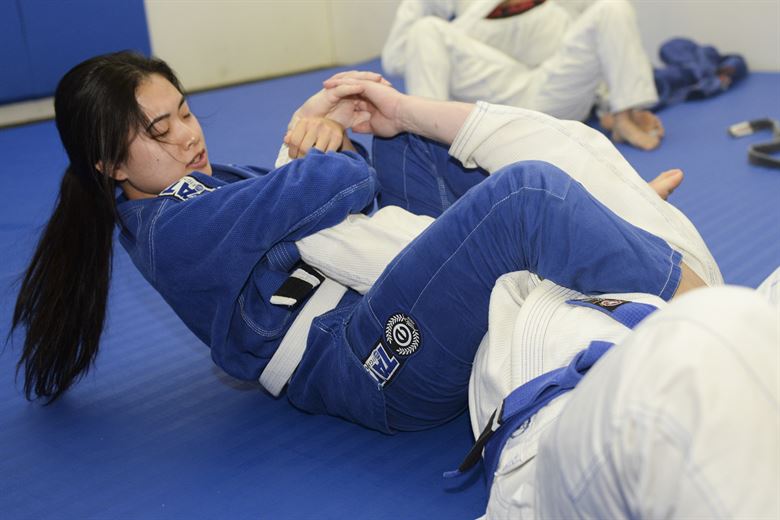
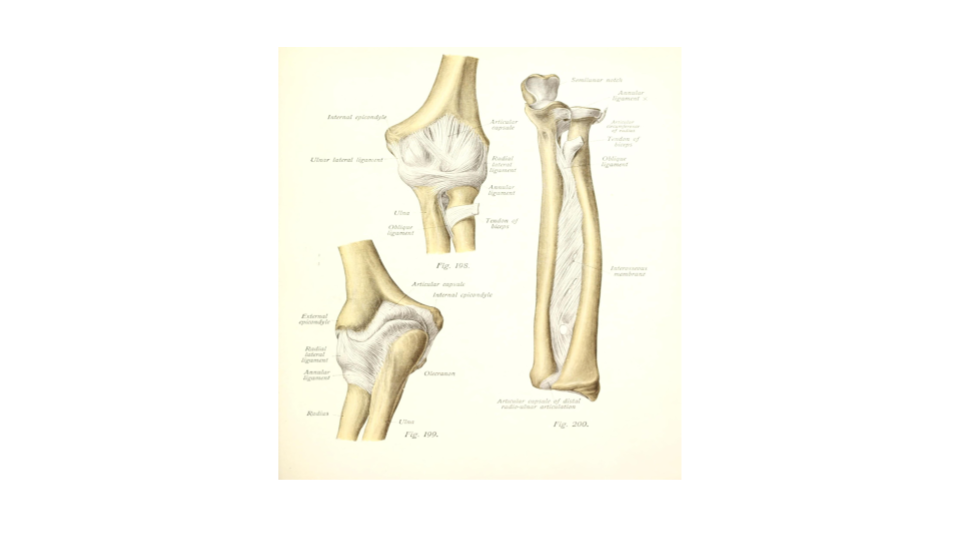
In Jiu Jitsu and Judo where joint locks are prominent there tend to be injuries to  the elbow usually the MCL via a juji gatame or to shoulder complex through locks such as a kimura/chickenwing and hammerlock. Knee injuries can occur due to knee bar that hyperextends the knee stressing the ligaments that resist that motion the ACL and PCL. With ankle locks there is concern for possible injuries to the talocrural joint or to the calf and achilles via compression lock.

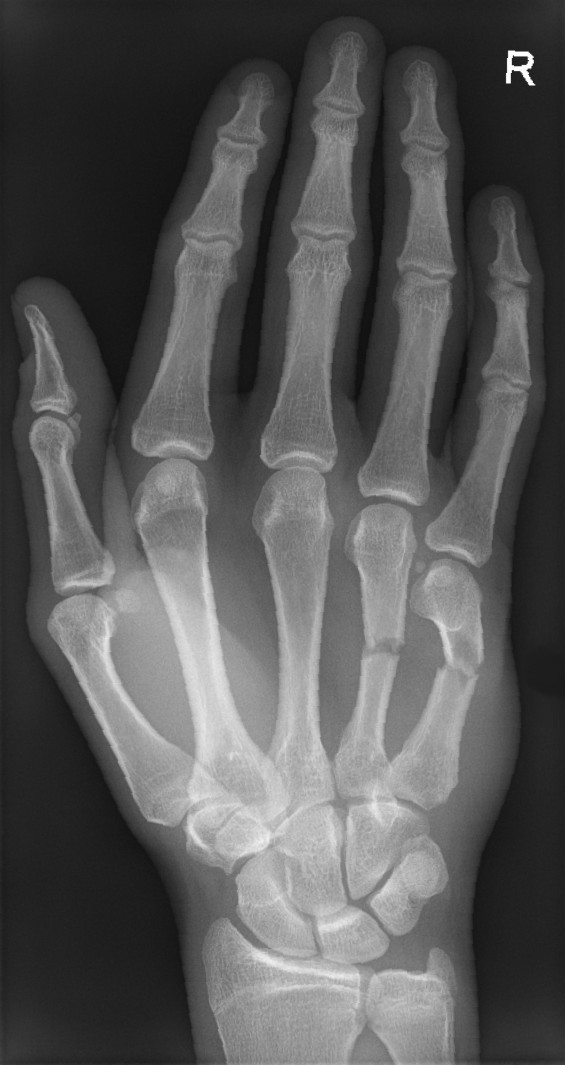
In boxer’s hand injuries are more commonly seen in amateurs or novice boxers. They do occur with pro boxer’s but at a lesser rate. A boxer’s fracture is when the 5th metacarpal bone gets fractured. Also as with the rest of combat sports there is risk of concussion.

There is also risk of similar injuries in Martial Arts such as Karate and Hapkido.  Please note that many practitioners of these sports will heal with conservative treatment. The risk of injury can also be lessened by proper strength training, mobility training and frequent practice of proper technique.

If you do find yourself with an injury that is making it difficult to participate in sport seek help from a Physical Therapist. In most states a Physical Therapist can see you without a MD referral. Going to a Physical Therapist first has been noted to save most patients well over $2,000 dollars in medical fees. If you are in Hampton, Newport News or in the surrounding cities of Hampton Roads then I am well equipped at Fearless Physical Therapy to treat these injuries. We are a mobile clinic providing the convenience of saving time and money by traveling to meet you. We can help you answer the questions that were asked after the injury. With hard work Yes you can come back.

The Real Reason You Have Shin Splints

It’s the start of a new year and you’ve decided to get in shape or you finally took the leap and are 

training for that distance race. As you’re running  you begin to notice pain in your shins.

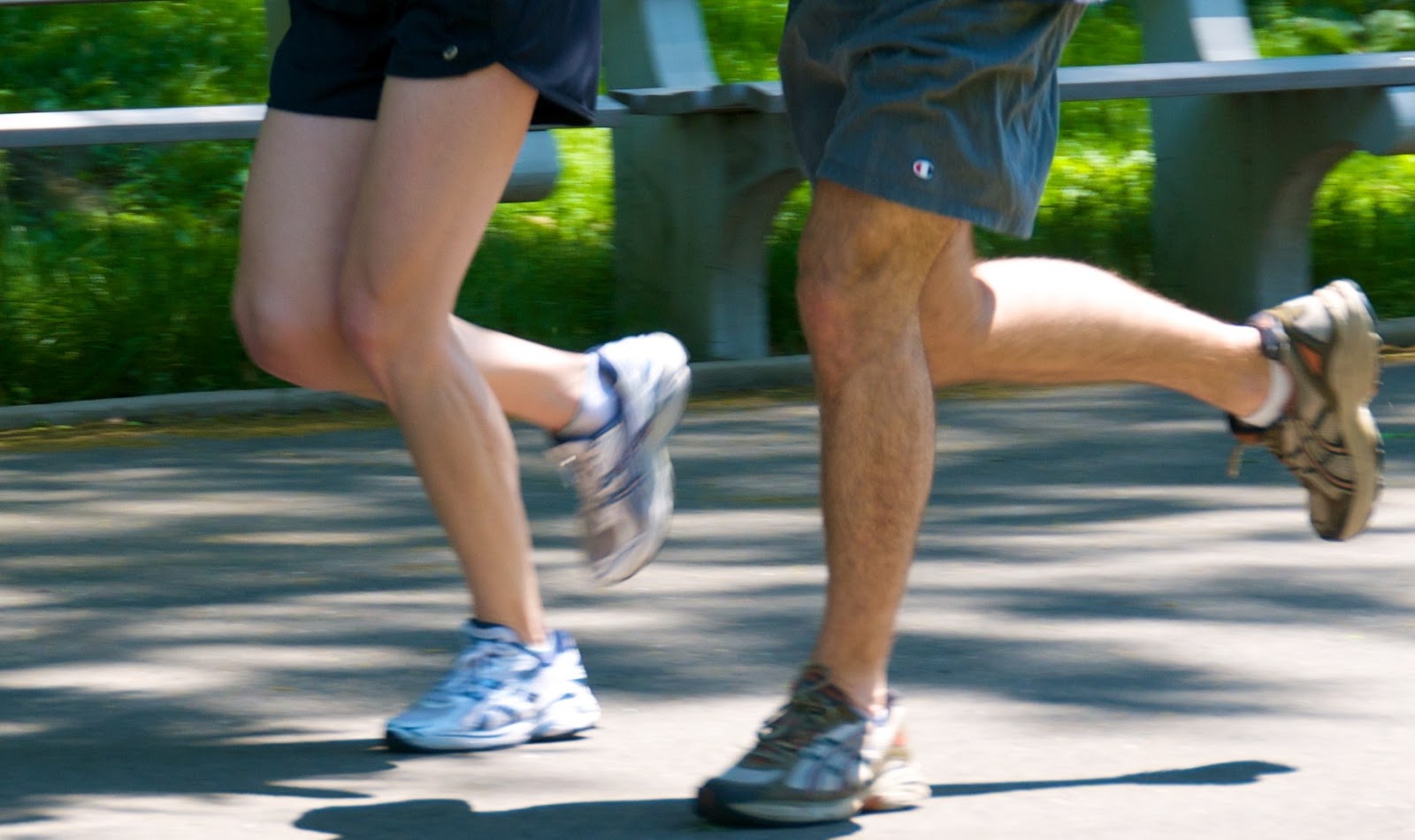
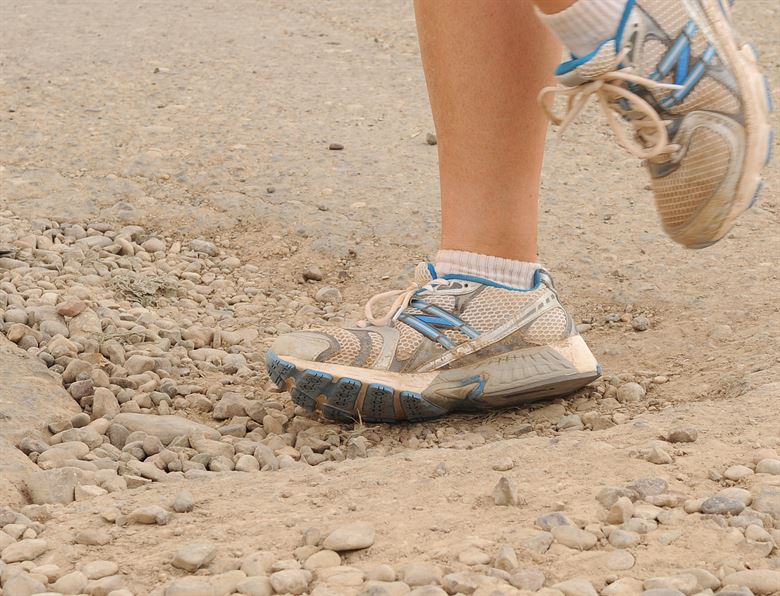
There are different types of running patterns including those that land on their heels or toes

What are shin splints?

Medial Tibial Stress Syndrome or shin splints is hurting or discomfort in the front of your lower leg. It is usually caused by long running or repeated stress. Sometimes it can stop right after you stop running but  can lead to more repetitive longer lasting pain that just ice and rest can’t help. Medial Tibial Stress Syndrome could eventually lead to stress fractures.

Risk Factors

  1. Physical conditioning: Studies have shown that faster runners have less incidence of stress fractures. The faster your leg moves during a run the less loading impact your leg will absorb. Also weakness in another area such as the hips or knees could lead to compensatory techniques causing increased loading and impact
  2. New runners: If you are new to running you may not be using a style that puts the least amount of stress on your joints. Some runners can’t handle a heel strike running style. The more energy inefficient your running style the more potential loading on your joints. It’s not to say these deviations will cause pain for everyone but  it can be a factor in the pain that you are feeling.
  3. Increased distance: Sometimes runners novice or  even experienced runners try to put on too much mileage too soon. If you are accustomed to running a 5k and immediately try to go marathon or half marathon distances there is bound to be issues. In my personal experience going from just running a mile to 5k’s was painful when I tried to do it cold turkey. It’s not to say you won’t ever run this distance but you need to gradually progress the mileage to allow your body to accommodate. A gradual graded program is very beneficial where you make small increases in distance over a couple of weeks instead of just adding on a bunch of extra miles without a plan.
  1. Shoe wear: For runners it is important to make sure they change out their shoes frequently. Continued running  on shoes that are too worn and no longer do what they are supposed to do can be detrimental.
runner landing on outside of foot

What does this mean?

Don’t worry, shin splints do not mean you have to stop running.  It does, however mean you need to consider some things. First off how bad is the pain. A mild ache is really not that much of an issue. This could mean that you just need to warm up properly. If the pain is more severe you may need more days off between runs. Take this time to go to the gym or some other fun activity that does not require jogging or running. Unfortunately 

sometimes it may require a few weeks off of hard running, especially if the pain seems to linger after you stopped running. During this off time try some light jogging over short distances. If you can do this for 2 straight weeks without pain or only mild pain slowly progress back into your running program.

Treatment 

  1. Rest: Make sure you are giving yourself plenty of time to recover, especially in the early stages. Icing for a few minutes may help to numb the pain.
  2. Cross training:  Just like any other athlete runners need to be strong overall. Sticking to one sport all the time be it basketball, baseball or running is not good for the athlete. Spend some time in the gym working on mobility and strength.
  3. Seek out a physical therapist: In many states Physical Therapists can see you without a referral from a doctor saving you a step and money. The therapist can help correct your form if need be, give you exercises to help address issues. We can also use manual therapy and other interventions to help with the pain while educating you on how to reduce the pain of running.
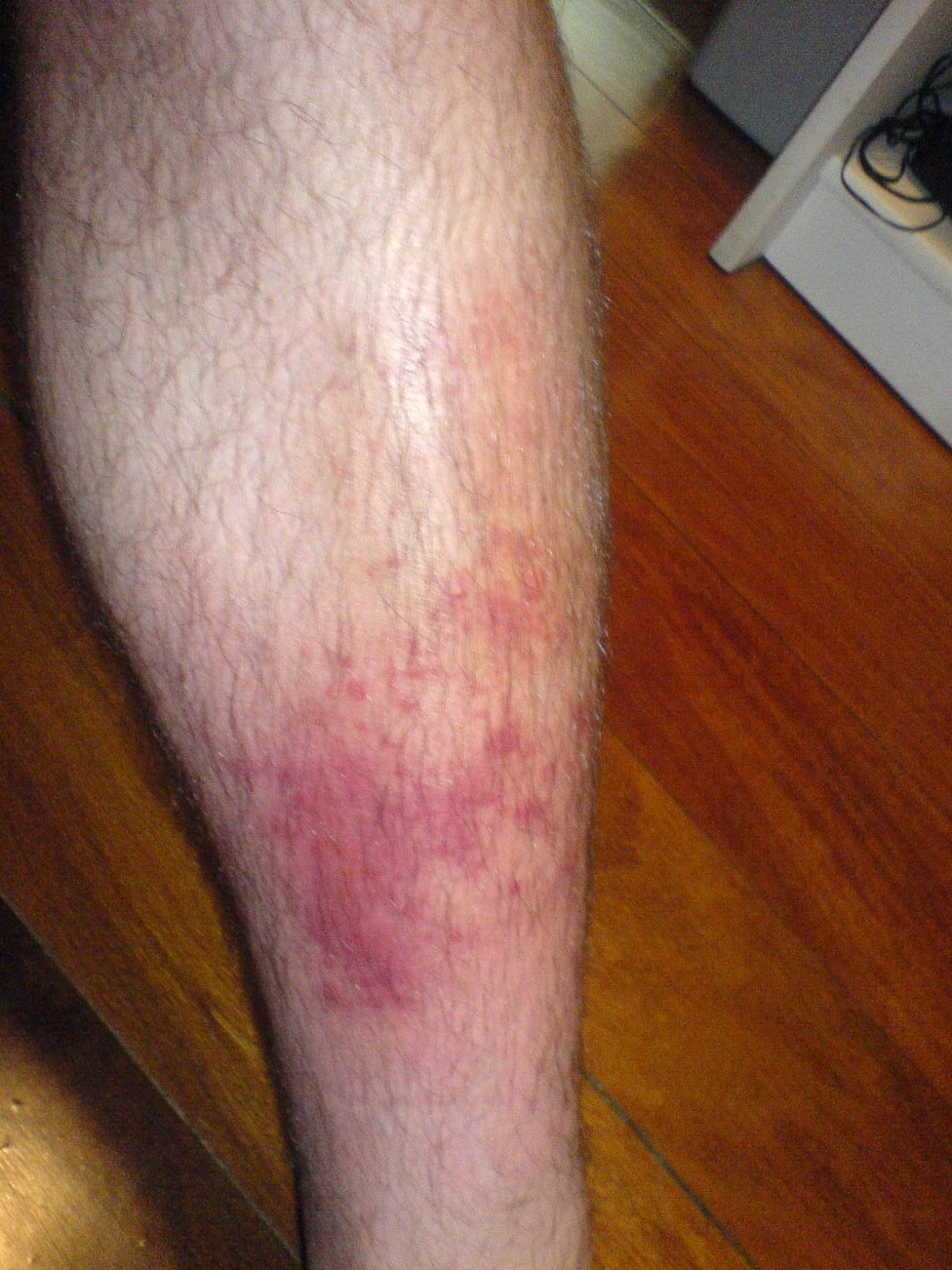
bruising on shin
  1. Make sure you are changing shoes: Recommendations are to change shoes about every 4-6 months and may be more frequent depending on mileage. Check your shoes. I’ve seen plenty of people running in shoes shoes that are not meant for running on the track or the street and so is not providing the right kind of support. 

If your shin splints are not improving after a couple of weeks make an appointment to be evaluated by a Physical Therapist trained in Sports management like the one at Fearless Physical Therapy.

To find a Physical Therapy clinic in your area that meets your needs use the BetterPT physical therapy clinic locator at http://www.betterpt.com. This will put you in touch with a P.T. clinic that can help you address and achieve your goals. There is also a BetterPT app that you can download on your phone.

Dr. Marquis Jordan decided to become a physical therapist after his grandmother lost the use of her legs when he was a pre-teen. He grew up playing  sports in his youth such as basketball and football but the first time he stepped foot in the wrestling room a passion was ignited. As a former wrestler he knows the effect injuries and pain can have on someone’s psyche. He is a graduate of the Medical College of Virginia and has participated in numerous sports symposiums and a year long manual therapy residency. He has worked with injury clinics for athletes and has even worked with professional athletes and injured U.S. military. His  interests lie in grapplers, martial arts, soccer and basketball players and their recovery which has peaked with the participation of his kids in these sports

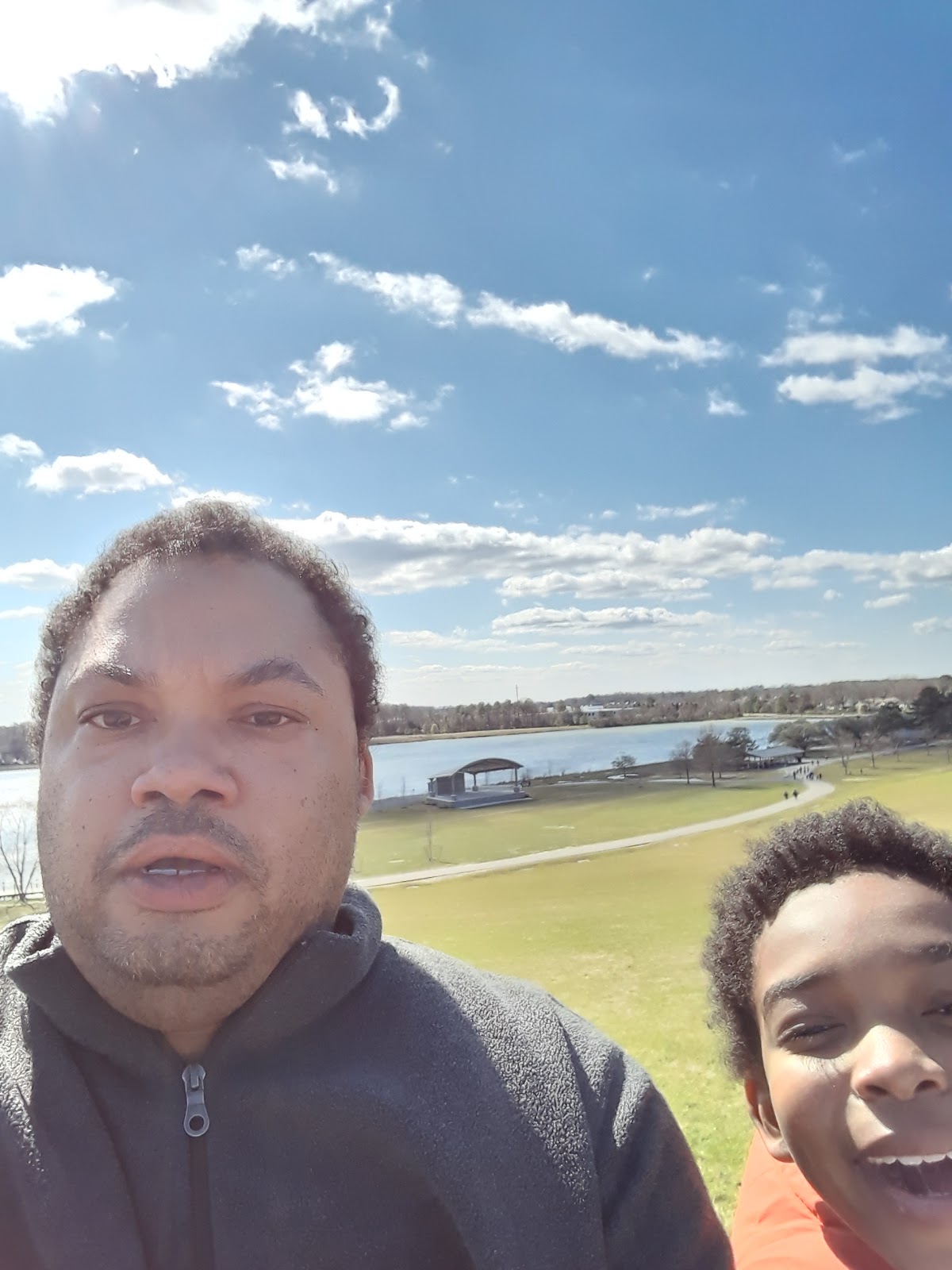
Dr. Jordan and KJ Jordan

Why Fearless Physical Therapy

 Fearless Physical Therapy was started to provide the quality of care I feel patients need. To be able to look at myself in the mirror every night and realize that I gave my patients my undivided attention and the best possible care each time. I’m tired of faceless entities dictating how I treat my patients, how many patients I see in the day, how much I need to charge per patient I am tired of faceless entities telling me how much time to spend with each patient. I became a physical therapist because I want to help people like my grandmother. My grandmother became paralyzed July 1994 after a work injury. She required my family’s help to do the simplest of tasks such as getting out of bed in the morning, bathing and getting dressed. My grandmother was fortunate in that when she went to Physical Therapy they were able to spend as much time with her as needed. In today’s therapy business model  a clinician has to see at least 2-4 clients every hour. They have to do this while keeping up with the documentation because we aren’t paid to document after the patient leaves and while keeping up with other day to day activities the job requires. Most of the time evaluations are now 30 minutes. That’s 30 minutes to get out the patient’s entire history of their current situation and then perform a thorough evaluation. My grandmother would’ve needed more than 30 minutes for a treatment session and there is no way a 30 minute evaluation would have been possible. 

Fearless is a mobile PT clinic because some patients can’t leave their jobs for a full hour. Fearless is a mobile clinic because if you are like my mother when she was taking care of my grandmother you really can’t leave the house after you come home from work because you have responsibilities. Fearless is mobile because you may not want to have to leave the gym or the golf course and coming to a clinic on the other side of town is just an inconvenience. 

My Time With Low Back Pain

Photo by Victor Freitas on Pexels.com

In November of 2017, I was at the gym in my normal routine.  It was a light day nowhere near my max. What could go wrong right. Turns out  a lot. I had a jacked up day at work. I was so irritated and out of focus that even the warm up was a struggle. Instead of taking my big headed self home I stayed and went to deadlifts. On the last rep I felt something pull and wanted to fall out. I shuffle  to the nearest bench and try to front like I’m just taking a rest break.

For the next 7 days even the smallest activity took Herculean effort. I had difficulty even getting up from the toilet. The longer I sat down the more pain I was in. No matter what position I tried to sleep in, I could not get comfortable. Have you tried chasing around a two toddlers with a bad back and no sleep. My girls owned me. The house would look like a scene in one of those post apocalypse movies. You know that shot after the fallout and right before the zombies started coming in to slow walk down the main character’s best friend.

Fast forward two-three months later. My activity level switched from the gym three times a week to walking Wal-Mart with a buggy. My blood pressure was going back up and I picked up a lot of the weight I lost. I avoided the gym like I owed it money. How was I going to tell my patients that they needed to be active when I wasn’t. I’m a big guy but I’m quick  and strong. This guy that I had become got winded bending down to tie his shoe. The pain was a lot better because I knew what movements to do to manage the symptoms but mentally I was shook

I had to get my life back. I didn’t visit my buddies anymore and the kids didn’t even ask me to play with them. I went back to the gym and no lie it hurt until it didn’t. I had to remind myself that in order to heal fully my joints and muscles needed stress and pressure. It seemed to take forever but I got better and I got my head right.

It still hurts sometimes, especially if I’m slacking off but I have my life back. I’m able to  keep up with the kids and got back into my old routine.