My friends didn’t understand it. “Why do you keep doing this? Why starve yourself? You realize I gained almost 10 pounds this semester eating your lunch right?”
My girl was mad because it took up most of my time. “We don’t talk after school anymore and when we do talk the only thing you say is how hungry or sore you are after practice. It’s hard enough that we don’t go to the same school but this is too much”
My family was worried that I would be seriously hurt. “Quis you could barely walk without pain last year and you hid that from us for almost a month. Do you think we’re going to let you back out there?”
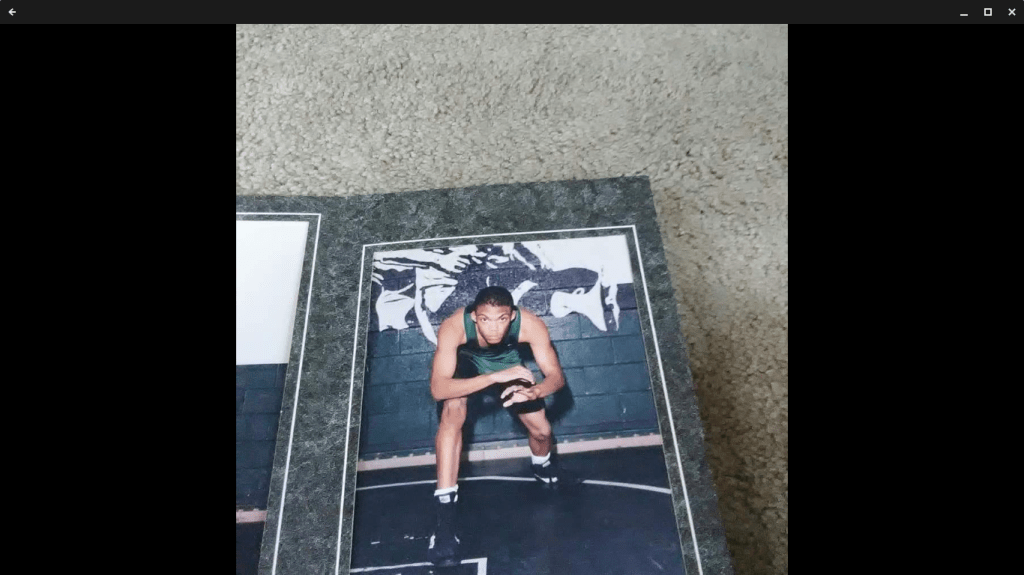
In high school, I fell in love with wrestling. During that time wrestling taught me many things but some would say it took away many things. I learned discipline, perseverance, how to game plan and how to adapt. I learned that life wasn’t easy and that to win at life I was going to have to outwork the competition. My biggest enemy wasn’t the guy toeing the opposite line or the guys in the wrestling room vying for my spot but it was the kid in the mirror.
In Physical Therapy school there were so many times I wanted to quit. Honestly, in my head, I probably quit a thousand times. I never had to study so hard in my life. Money was low and there were times when my lights had been cut off. I could have gotten a job in my undergraduate major and made decent money while going for my Master’s in that profession. That was not my goal though and to make it through P.T. school was going to require sacrifice, a dogged determination, and the ability to just sometimes put my head down and keep pushing forward. Luckily God saw fit to give me a love of wrestling and wrestling put me through a lot. So those experiences allowed me to deal with the hardships I faced while getting my Doctorate.
As a Physical Therapist, I work with people who are in pain every day. My job is to educate and guide them as they try to regain their function. Those afternoons and early mornings in the wrestling room saw me knocked on my bottom, dropped on my head, and thrown violently across the room then get up and have it done to me again and again. Falling and being thrown so many times inevitably leads to some colorful contusions (bruises), pain and soreness, and at worst injury. Experience in being the one hurting has allowed me to better empathize with my clients because rising in the more with back pain or it feeling like a hot poker is being shoved in my side are not novel sensations to me. The difficulty of moving through these pains is also not undiscovered territory for me but I also learned that the best way for that pain to subside was to start moving.
Grappling also has come in handy with the physical aspects of my job. I have good control of my body which has allowed me to snake my way through the spider-webs of ICU lines. Being able to use another person’s momentum and balance has more than once helped me stop a patient from falling.
I was never a champion wrestler. I don’t have any gold medals on my mantle but the lessons that wrestling has taught me have helped me well in life. Thanks to wrestling I was able to roll with the punches of life and get back up when knocked to the ground.
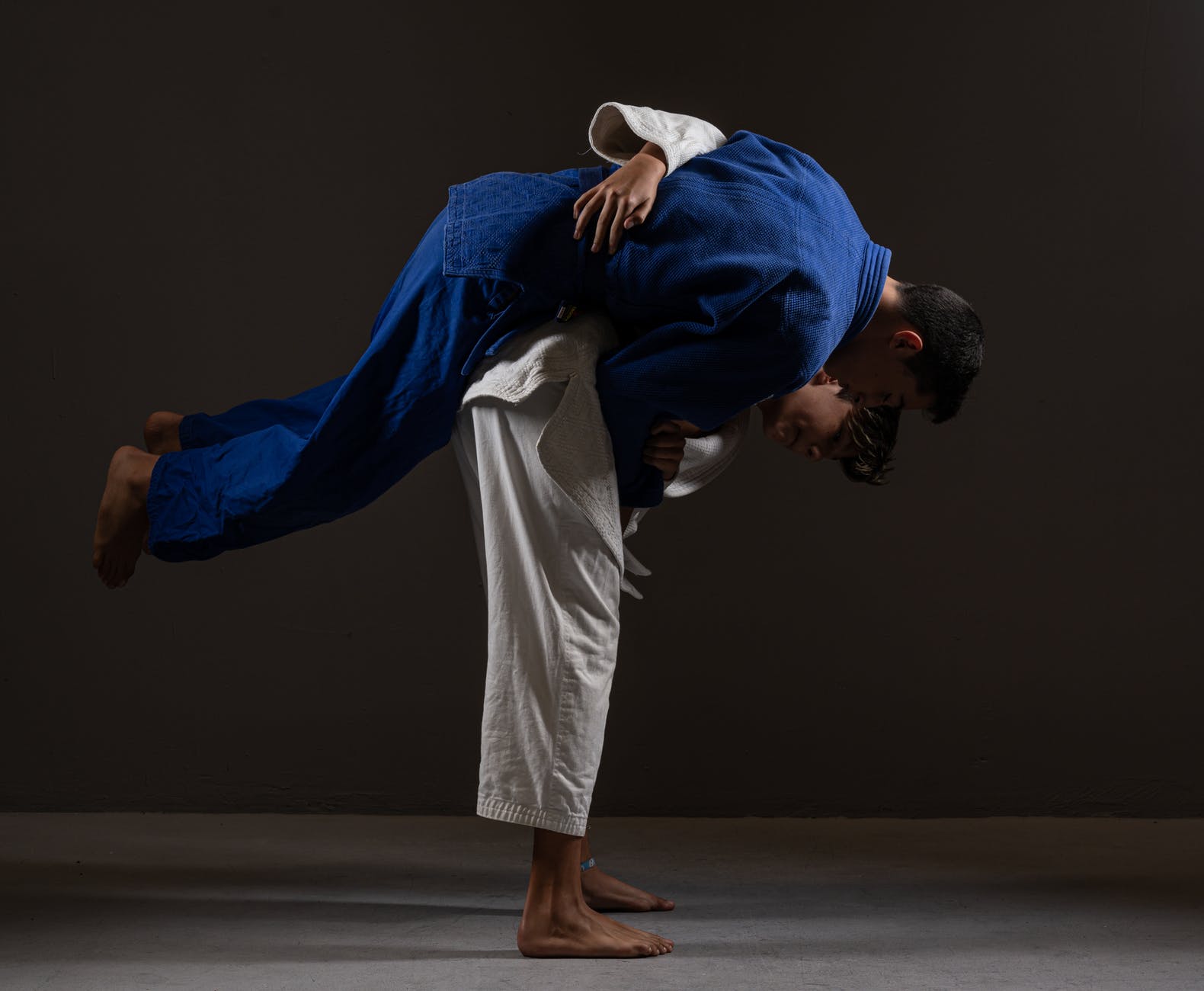
Hey everyone. Quis here. Name two people in your gym that just love being thrown. I don’t mean just an everyday sacrifice throw but two guys that love getting thrown for 5. Full-blown took off the mat, feet above your head, and brought down just safe enough to not get called for it. Grapplers tend to want to brace for throws especially early on and usually, that means trying to post with an arm. I’ve seen shoulders get separated on whizzers and wheel trips because off trying to post the arm for the fall. Separated shoulders are just one of the injuries that can affect grapplers as common shoulder issues such as Rotator Cuff Tears and Tendonitis, and ligamentous sprains are possible.
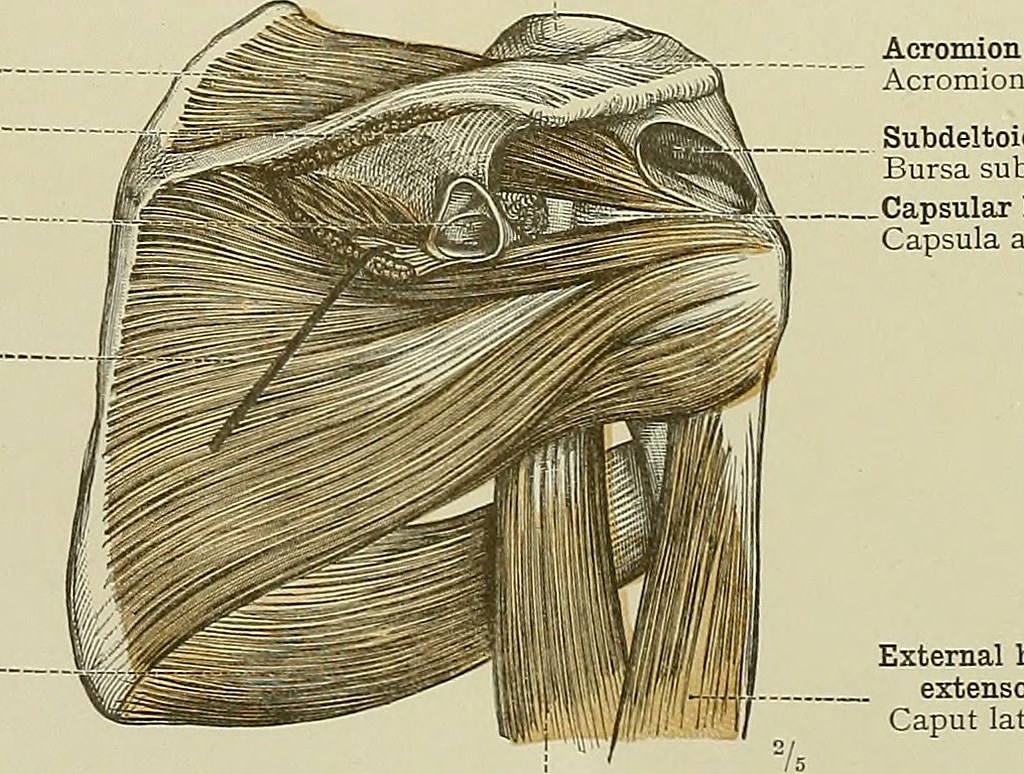
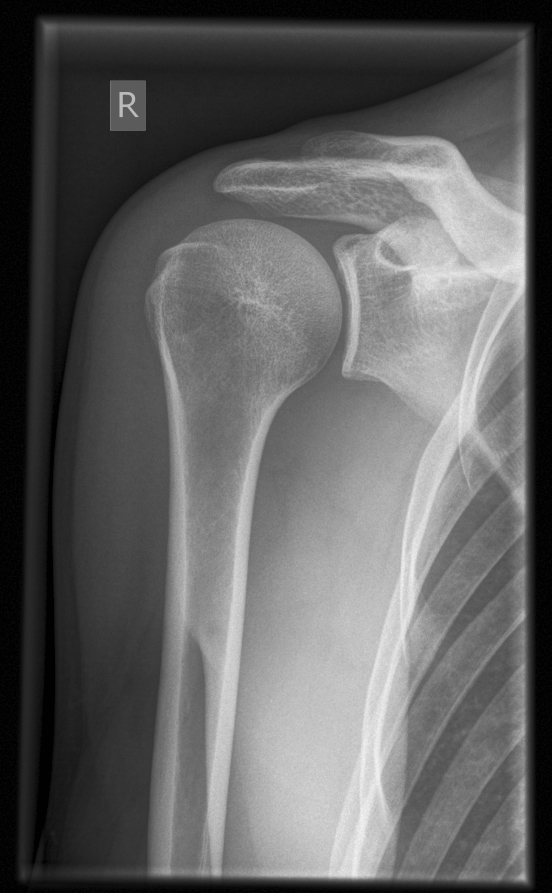
The shoulder is a complex of 4 joints including a synovial ball and socket joint with 3 degrees of freedom, a saddle joint with, a physiological joint, I’m kidding, you don’t want to know all that but it is a group of 4 joints. There is the glenohumeral joint that connects the arm to the shoulder. You have the acromioclavicular and sternoclavicular joints which include your clavicle (collar bone). The final joint is the scapulothoracic joint. The bones in each joint are connected via ligaments that connect bone to bone and cartilage allows the bones to glide on another bone. Finally, you have muscles that attach to the bone via tendons. Overall this creates a structure that is both mobile and strong.
The joints in your shoulder can be damaged from the fall. That’s why being able to break-fall is important and why most of us spent countless hours at the beginning of our martial arts journey learning how to break-fall and roll with the throw. If during the throw you land on the point of shoulder with enough force there can be an issue with the AC joint. On the other hand, if the athlete sticks out their arm and gets planted with sufficient enough force a fracture of the collarbone or dislocation can occur. Before anyone gets worried the majority of these issues don’t require surgery. If it is significant to require surgery the rehab process has improved over time so that it does not mean a career-ending injury in most cases.
The rotator cuff is a group of four muscles that help to stabilize the shoulder joint and also perform rotation activities. The Americana/Keylock forcibly externally rotates the shoulder a motion that is done by the Infraspinatus and Teres Minor. The Kimura, on the other hand, pushes the shoulder joint into the extremes of internal rotation a motion that is performed by the subscapularis, pectoralis major, and the latissimus dorsi depending on where the Kimura is applied. If the person on which the move is being applied taps out or gets out of the move in time there may just be some soreness or a muscle strain or ligamentous strains. If sufficient torque is applied tearing can occur. Usually, if it’s a small to moderate size tear surgery is not required.
Tendonitis which is just commonly believed to be an overuse issue is more of an issue where your body is compensating for a lack of strength or mobility. So extra stress is placed on muscles that are taking up more of a load than what they should or moving in a manner in which it is not quite adapted to. Initially, it becomes an irritant at the tendons and can gradually increase. Rest and correcting the issues that caused the irritation in the first place helps.
Stay tuned for the next post as we go over interventions for these issues.
Hey y’all, it’s been a minute. Yeah, my bag about that. Things got busy and then they slowed down and then got busy again. I guess the kid has been on a proverbial roller coaster. Once again I apologize. The next few blogs will cover a subject that I enjoy a lot and have had the opportunity to treat plenty of athletes who participate in these sports.
Growing up in the ’80s and ‘90s it was hard to not be a fan of Martial Arts Combat Sports. Every year it seemed like there was a Karate Kid or Rocky movie to hit theaters. This was the era of Sweet Pea Whitaker and Iron Mike Tyson. Even cartoons when the way of martial arts with Teenage Mutant Ninja Turtles and Chuck Norris and the Karate Kommandos. With the arrival of Anime like Dragon Ball Z the action and pace further increased. Kids flocked to Karate studios in droves if financially able and if not well just put on your favorite Martial Arts movie, stand up and try to mimic the action at a frenetic pace.
I grew up in this time frame and I remember begging my mom to enroll me in Karate, Boxing, or something. I finally got my wishes when I happened upon the wrestling room in the spring of my freshman year looking for my boys Peacock and Miguel who were on the team that winter. The coach suggested that I try out next season and after that, I was hooked. Little did I know that foray into wrestling would also expand my interest in Physical Therapy and injury rehab. Injuries occur on all levels of combat sports and most of the time with proper treatment the combatant can return safely. For the next few weeks, I’m going to dive into some of the more popular combat sports and the common injuries. These next few entries will contain information on shoulder and elbow injuries, knee and ankle injuries, and spinal injuries.
I feel like this is important because I’ve come across many martial artists who have had injuries just snowball on them. It starts as a mild nagging thing and then just gets progressively worse and then becomes that huge rolling disaster that you see in old cartoons. Everyone pays attention to the traumatic injuries and we will cover them to but also need to focus on the non-traumatic one that if not taken care of can put you in a bad predicament to end up with a larger one. We will go over some of the exercises that the combatant will have in the treatment of injury and discuss other things. So hopefully you stay with me through these next few blogs as I try to make this educational and fun.
What to do if you have limited cardio space during the pandemic
Written by Marq Jordan, DPT from Fearless Physical Therapy
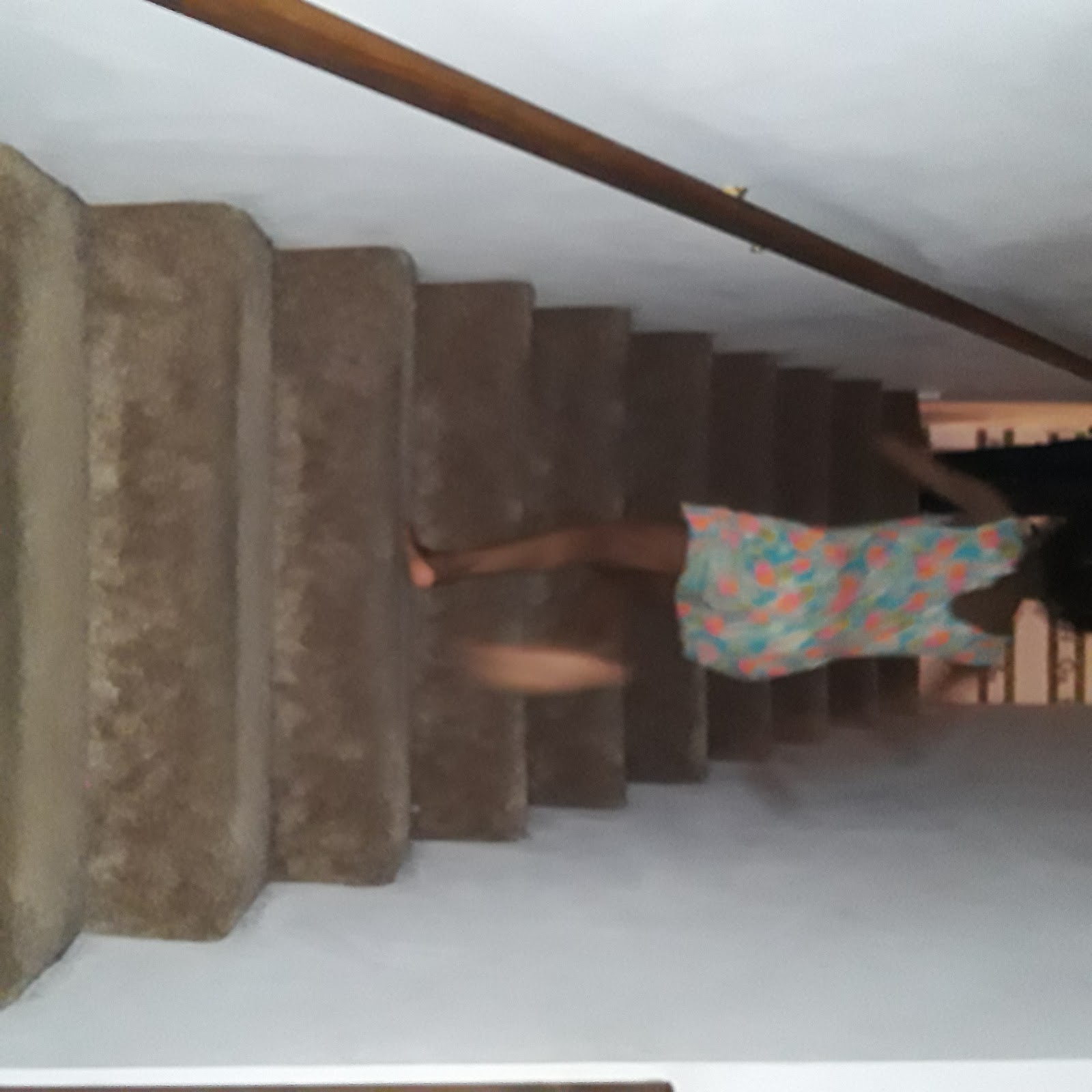
The kids running the stairs.
Anyone else finding it difficult to get a cardio routine in? Sure, you can go to the track or the trail to get run or jog but there may be some extrinsic factors that make working out on the track or trail difficult. For instance, I have three kids of varying ages including an athletic preteen with a motor that doesn’t stop and a four-year-old that although rambunctious can’t keep up with her brother over a long distance. Throw in a seven-year-old whose movement patterns ebbs and flows from an all-out cheetah-like sprint to an almost sloth-like amble and it’s a recipe for disaster. Either I lose track of my son as he speeds down the trail by moving too slow or risk losing the short one to a family of ducks by moving too fast. One would say that there is an easy solution, just take to the track. I hate the track with a passion. In my mind, I feel all of the ground reaction forces when my foot strikes the concrete. My son laps me while I stick with my girls and the competitive nature kicks in and I try to catch him and once again the girls are behind me which unless the track is completely devoid of life I dare not do. That leaves me with having to do cardio at home but with every room in our townhome in use as an office, bedroom, or living area I have no place for a bike or treadmill. Besides, let’s be honest those things normally just become expensive hangers. How do you stay in shape with very little space while keeping family active? Shadowboxing, jumping rope and even stair climbing are great calorie burners that don’t require a lot of space and can be done almost anywhere. Training like a fighter can get you into great shape.
shadowboxing can be done indoors in a corner or outside. After being in the house all day I prefer outside.
Shadowboxing is an excellent form of exercise. There are plenty of anecdotes of professional athletes, movie stars, and pro wrestlers that use a boxing routine to help get back in shape. Studies have varied but on average it looks like 300 calories or more can be burned in 30 minutes of shadowboxing. Throw in a bag or an opponent and those numbers can increase almost exponentially considering that boxers can lose more than 10 pounds in a 12 round fight. A simple shadow boxing program starts with throwing learning to properly throw jabs, crosses, hooks, and uppercuts while moving properly. When I’m in training I like to start by doing 5 3 minute rounds with only a minute of rest in between. This sounds easy but if I’m staying on my toes the entire time while keeping my arms and rotating my hips this becomes real work and has me dripping sweat. This routine can be done just inches from the corner as long as you have enough space between you and the wall you are ok. My kids and I are fans of martial arts movies and so we throw in kicks and other moves. We face off against each other and the play fight is joined.
Start in a boxer’s stance with your non-dominant hand in front, feet about shoulder-width apart and knees slightly flexed. In this position start with a slight bounce on your toes. I usually use a song with a real heavy and consistent baseline that I can keep up with the entire time. From there you start throwing, remembering to create almost a screw-like motion with your fist as you punch while rotating your hips to create power. Without the movement in the trunk and lower chain, you might as well just flail your arms about like a wildman. Now the real excitement comes in as you circle your imaginary/play opponent burning more calories and forcing your lungs to work even harder. An important thing to remember is to breathe properly. I tend to hold my breath and I fatigue quickly. That’s also how the music can come into play as you can sequence your breathing patterns with the music to create a more normal respiratory pattern. For this I’d suggest something more calming such as classical music. 3-5 days a week for 30 minutes or more provides a good boost to your cardiovascular system. Even if you have to start at 3-5 3 minute rounds your system will improve greatly. Another great cardio exercise that fighters use that doesn’t take up a lot of space is skipping rope.
Skipping rope is a great cardio exercise that requires minimal space.
Everyone has watched those training montages in Rocky and Vision Quest where the protagonist is by himself in a small room jumping rope to a rock song from the ’80s or ’70s. There’s a reason that Rocky and Loudon are skipping rope. It’s a great cardiovascular exercise and also works on foot speed and coordination. It involves multiple muscle groups which means there is a higher caloric expenditure. It has been suggested that a total of 70+ calories are burned in just 10 minutes. There’s also less ground reaction forces when your foot hits compared to running so if your body is not able to yet attenuate those forces on the track skipping rope is a good alternative. At my heaviest of 285 running was almost out the question because it hurt so much. I was able to substitute jumping rope and was able to lose some weight which helped decrease the pain I felt while running.
Jumping rope does require more space than shadow boxing but it doesn’t require a significant amount. I usually can skip rope in the hallway of our home or step outside our front door and do it in the driveway or the porch. It’s also another exercise that doesn’t require equipment. Not everyone is good at jumping rope and can easily spend most of their time untangling themselves from the rope. Well, an easy solution for this is to just do the same motion without the rope. It’s the same mechanics with your feet leaving the ground and still rotating your wrist so you are still using the same muscles meaning calories are still being burned it just doesn’t look as cool. Also jumping rope can be done with the family. If the family is highly competitive put a timer on and see who can last the longest. Or the family can play some of the games that were popular back in your wonder years such as double dutch and watch your Fitbit go crazy. Another simple way to get that activity tracker working overtime is to hit the stairs. “Bleachers” is one of the most feared commands ever uttered by a coach. After about 2 times ascending the stairs, your body starts to feel it. 5 to 10 times up and yes there’s a burn. 20 times or more and you start to become religious praying that your destination is on the varying next floor. In PT school our anatomy lab was on the 10th floor. To progress to the next floor you had to go up 2 flights of about 12 steps each. 240 steps in the hot summer carrying a bookbag weighing about 40 pounds. The numbers of students taking the steps dwindled by the day and those that did continue taking the steps made sure they had an extra water bottle to replenish themselves after we finished climbing our Mt. Everest. The
numbers vary for how many calories are burned while climbing stairs but I know on a stair machine I can easily burn more than 300 calories while moving at a pace that only causes me to breath slightly labored in under 30 minutes so if I keep that same pace while climbing the stairs at home for the same amount of time I’m in business. That’s just going up. Less calories are burned going down but calories are still burned increasing the thermogenic effect.
My kids when bored have made it into a game. They do a relay race up and down the stairs with each one having a go. They do a few rounds trying to beat their previous time each round forcing them to move faster. Even without a flight of steps, this activity can be done on the porch steps over even a stepping routine on the curb.
Aerobic activity is defined as an activity that is done over some time at a moderate intensity. Running is a great aerobic activity but for a variety of reasons may not always be possible. These activities can be done in a small space without having to leave your home yet still get your heart rate going. For my family, these are some of the best cardio activities because they take up little space and we have fun doing them. Many other types of aerobic activity can be done in close quarters but the best one is the one that will keep you interested consistently and so that you stay active.
To find a Physical Therapy clinic in your area that meets your needs use the BetterPT physical therapy clinic locator at http://www.betterpt.com. This will put you in touch with a P.T. clinic that can help you address and achieve your goals. There is also a BetterPT app that you can download on your phone.
Dr. Marquis Jordan decided to become a physical therapist after his grandmother lost the use of her legs when he was a pre-teen. He grew up playing sports in his youth such as basketball and football but the first time he stepped foot in the wrestling room a passion was ignited. As a former wrestler, he knows the effect injuries and pain can have on someone’s psyche. He is a graduate of the Medical College of Virginia and has participated in numerous sports symposiums and a year-long manual therapy residency. He has worked with injury clinics for athletes and has even worked with professional athletes and injured members of the U.S. military. His interests lie in grappling and other martial arts, soccer, and basketball. His interest in the recovery of injured athletes has peaked with the participation of his kids in these sports. In his spare time, he enjoys reading and spending time with his family.
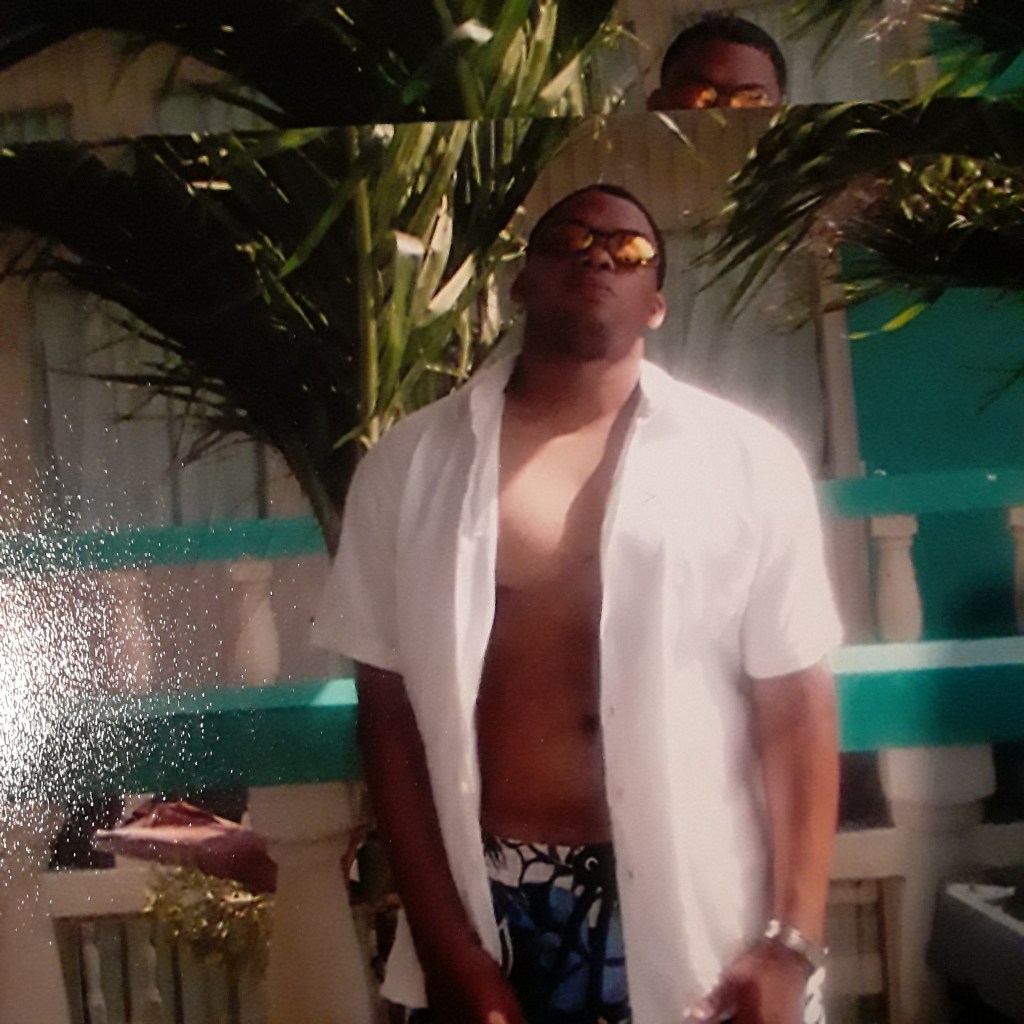
There once was a time when I could go work out for two hours cold without a problem. I would do well over 300 push-ups a day. Back then I would squat over twice my bodyweight, run on the treadmill or hop on the elliptical and make the 45-minute drive from the gym in Fayetteville to my place in Scotland County. Forget stretching afterward I was a man. There was no way I was going to let a little bit of DOMS, delayed onset muscle soreness, slow me down. Oh, I complained about the aches and pains but I was back the next day doing it. Shoot if I was more adherent to my diet I would have walked around shirtless.
circa fall 2000 19 years oldBahamas 2005 @ 24 years old
Flash forward to now and this body ain’t what it used to be. I’m losing the head full of curls and my joints pop. I’m not even 40 yet, I still got 6 months in my 30s, and I’m feeling it. See as we age we begin to lose some of the water content in our body. That means our muscles are not as pliable as they were back in our teens and 20’s. Shoot even in my early 30’s I could still go hard 3-4 days a week and not sweat it. I went to leg press 320 a few days ago at the purple gym and had to crawl to the car. For men, we also begin to lose testosterone in our 30’s. I’m not the only one feeling old either. My cousin Dawn, not her real name by the way but for some reason growing up, everyone called her Dawn, mentioned that she was all locked up in pain on one side after 30 minutes on the track. Plenty of my boys have told me horror stories about playing basketball and going up for a rebound or taking off on a fastbreak and feeling a sharp pull in their calf, or hamstring.
As we age a proper warmup is paramount. Gone are those days where we could. Stretch for 3 minutes and go full out. When compliant I perform more of an active warm-up consisting of inchworms, trunk rotations, bodyweight squats, jogging, butt-kickers, and spin drills. Should probably stretch at the end of my workouts but I’ve always been hard-headed. A proper warm-up and cool down lowers the chance for injury and also reduces the DOMS. Another important thing is to remain active.
2007 celebrating finding out the sex of our oldest. 26 years old
That night, the next morning or even a couple of days later you will start to feel the D.O.M.s. The soreness can feel unreal but it’s okay. The first thing you need to do which seems counterintuitive is to move the muscles that are aching. Get some blood flow to that area. Blood carries the body’s natural pain killers which will help to reduce that sensation. Think about it as the hair of the dog that bit you. You need some of that same activity to help you get moving.
Also, it’s best to incorporate different styles of training. I’ve been trying to mix in bodyweight exercises, kettlebell workouts, HIIT, martial arts training routines along with frequent walks. In my videos, I’m working out with my kids because that’s when I’m having fun. I enjoy it no matter how hard it gets because it means I get to spend time with them and that makes me happy.
couple of weeks ago 39 years old.
Getting old is not fun but it is a part of life. The pain that I have with working out doesn’t mean I need to stop it just means I need to find a smarter different way to do things. I remember reading about how Michael Jordan and other athletes once they hit a certain age changing the way they did things and laughing. Now I understand that to continue you have to adapt and get smarter as you age.
Same Bahamas trip. Could run a mile in under 8 minutes and lift 2x my body weight
That night, the next morning or even a couple of days later you will start to feel the D.O.M.s. The soreness can feel unreal but it’s okay. The first thing you need to do which seems counterintuitive is to move the muscles that are aching. Get some blood flow to that area. Blood carries the body’s natural pain killers which will help to reduce that sensation. Think about it as the hair of the dog that bit you. You need some of that same activity to help you get moving.
Also, it’s best to incorporate different styles of training. I’ve been trying to mix in bodyweight exercises, kettlebell workouts, HIIT, martial arts training routines along with frequent walks. In my videos, I’m working out with my kids because that’s when I’m having fun. I enjoy it no matter how hard it gets because it means I get to spend time with them and that makes me happy.
Getting old is not fun but it is a part of life. The pain that I have with working out doesn’t mean I need to stop it just means I need to find a smarter different way to do things. I remember reading about how Michael Jordan and other athletes once they hit a certain age changing the way they did things and laughing. Now I understand that in order to continue you have to adapt and get smarter as you age.
Lotion helps keep your skin smooth. Exercise helps to lubricate the joints to keep motion smooth.
“Quis, they don’t know what that means,” my wife tells me.
“Know what, what means?”
“What ‘Motion is Lotion’ means . Most people see that you keep writing that and think that any movement is helping. They didn’t take Traumatology and have it drilled in their head about tissue tension and healing times.”
‘What do you mean? I explain to my clients all the time that they need to gradually increase movement and activity to get the outcomes they desire.”
“Yes but you aren’t just talking to people who you are working on. You’re trying to build an audience and just like you hold an audience with your clients you have to explain things.”
‘Motion is lotion’ is a maxim we were taught in Physical Therapy school. It was one of many that was drilled into our heads. Fundamentally, it means that to promote healing you have to move that joint. This needs to be a purposeful movement done frequently. Lotion has to be put on to sustain youthful skin and movement has to be done to maintain a healthy body.
No clue why my hands open up like this for this exercise. Not necessary but a habit.
Bones, collagen(muscles, ligaments, and tendons), disc and cartilage all require movement. They demand movement to stay strong and when injured they require movement to heal. I know it seems counterintuitive to move when it hurts. When I hurt my back the last thing I wanted to do most days was to get up out of bed and lifting was an anathema. The point is the longer you avoid moving an injured body part the more motion is inhibited. I said inhibited not lost because if we can get a person in pain moving again their functional mobility can be restored. What happens is moving promotes increased activity on a cellular level, increases blood flow, and as long as that blood flows normally will promote healing. An added bonus is that it also promotes the movement of the body’s natural painkillers to that area to reduce pain. It doesn’t take it away completely but it does spark a reduction.
The catch is that the catalyst to healing requires multiple repetitions multiple times a day. That’s why a runner’s high doesn’t come after a quick lap around the track. For the endorphins to ignite a larger quantity of movement is demanded whether it be for a lumbar injury or to just get the overall exhilaration from a run. Excellent news though because you can start the process by moving the area above or below in most cases to aid in getting the reps in. I was trained to start the movement in the pain free planes and ranges and progress as mobility tolerance improves.
You don’t need a lot of equipment. When I workout by myself I use kettlebells and sandbags . With my patients I show them how to use items like bands and everyday household items.
My job is to find the right movements that will assist the client in return to normal function. We seek to create an alliance with the patient to achieve their goals. I do my best to build a trust and relationship with said client to figure out how to best motivate them to keep moving because hey ‘Motion is lotion.’
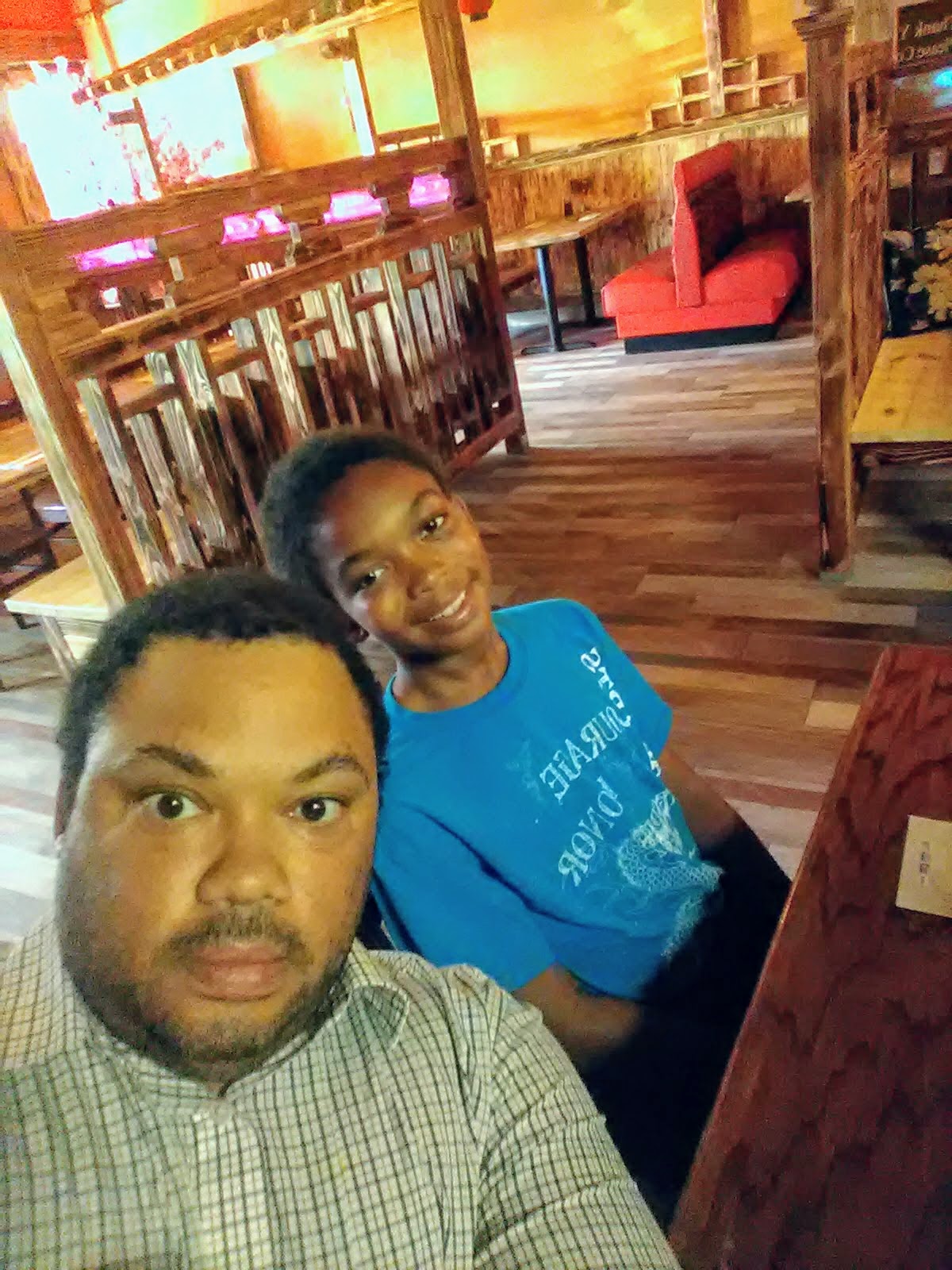
Hip hinge with a Pediatric Nurse dealing with Low Back Pain.Back when we could eat out. This handsome fellow with me is my oldest child. We try to walk 30 minutes a day to at least get the bare minimum required amount of exercise.
Here’s some links to equipment that can help you reach your wellness goals.
“As an Amazon Associate I earn from qualifying purchases.”
Have you ever had that pain that runs from your neck down to your shoulder or maybe it is the opposite direction? Sometimes numbness and tingling are running down the arm. In wrestling and other sports, it’s called a stinger because well that is what it does, sting. Football players, especially linemen and other defensive players get them all the time. After a big hit or wild takedown, you get that dull dead-leg sensation in your arm. When I was learning to shoot doubles in wrestling I got them a lot until I learned to stop cocking my head completely to the side when I made contact. I liked to hear the “oof” as I drove my shoulder into my opponent and throw off their center of gravity so I could lift them easily and drop them down, you know trying to make them get a snot bubble. Unfortunately, gravity would take hold of my planet-sized head and it goes off into the opposite direction instead of being tight into them. It’s hard holding someone down for a pin when your whole arm feels like it’s on fire. A similar sensation occurs when sleeping wrong and the neck shoulder and even arm on one side just feel persnickety.
In sports, stingers occur when a direct force is placed on the shoulder pushing the complex down while at the same time the head is forcefully pushed to the other side. No big deal right. Stingers last a few days or a couple of weeks and can just be a mind-numbing nuisance. Until it’s not. Those are the easy ones. Every once in a while, someone gets a nefarious, abhorrent stinger that perpetually burns so long until you can’t tell the difference from normal and what you are feeling now. These types of stingers are Grade II ‘s which sometimes can go on for months. There’s also Grade III’s which can have you contemplating chewing your own arm off because self-amputation can’t be any worse than what is going on with your arm. Please don’t do that, the clean-up cost alone would be huge. One patient once said it felt like the devil was sticking a hot poker in their arm any time they even breathed wrong. The patient wondered why an injury to the shoulder would be in the neck and the hand because no way that’s right.
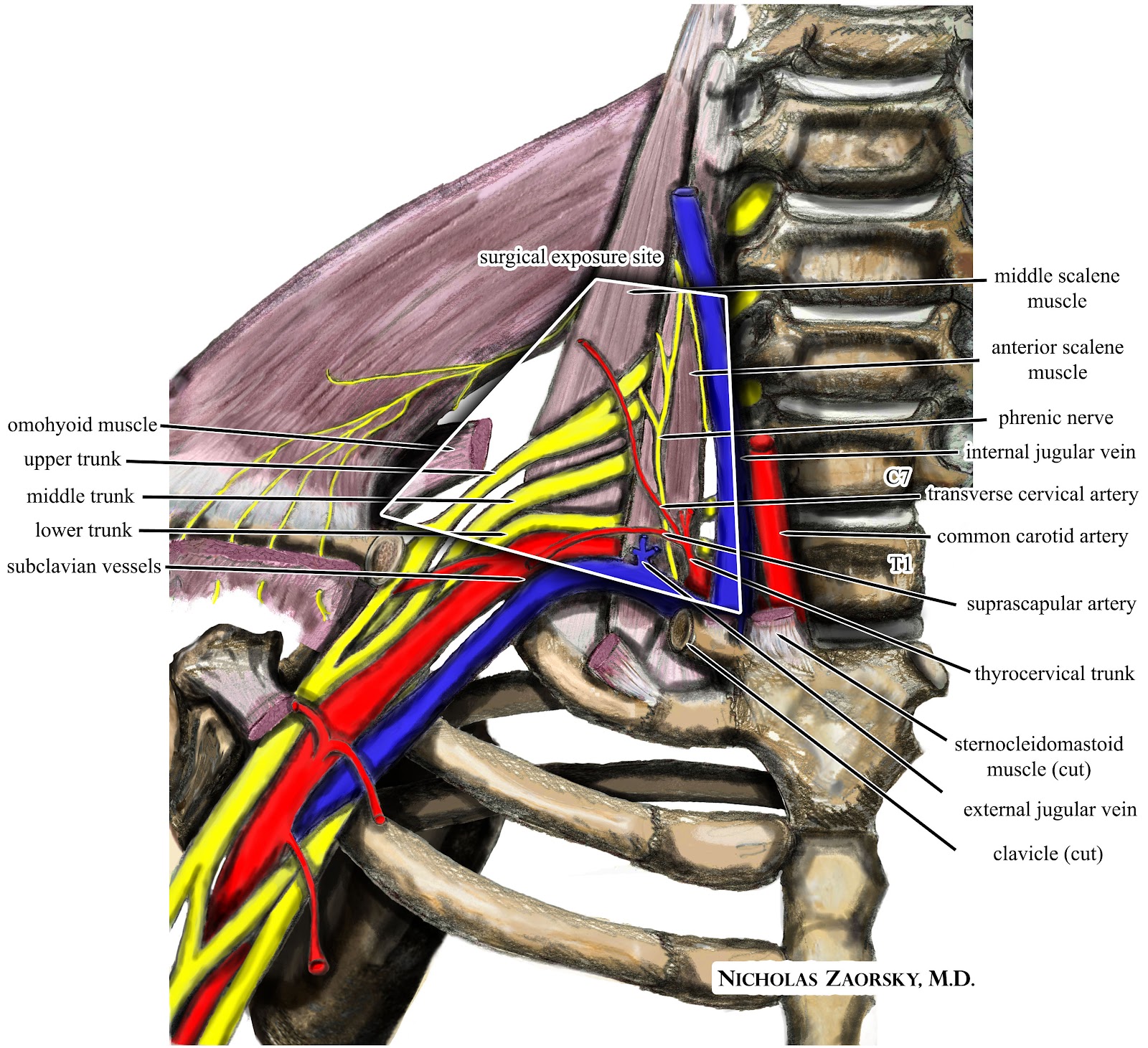
The cervical spine consists of 7 vertebrae with the spinal cord normally running unabated through the spinal canal. Smaller nerves branch off the spinal cord and course down to the muscles to affect movement. These nerves form a highway together down the arm where they merge and branch on and off while having various ramps to travel down to innervate the muscles in the arm. They tend to lie just up under the muscle sometimes ducking in between two muscles and in the next lane are blood vessels. With a stinger, the injury usually involves the nerves coming from the lower cervical vertebrae and the first few thoracic vertebrae. These nerves control movements from shrugging your shoulders to making a fist. Weakness and lack of coordination can sometimes be seen with the numbness and tingling. Stingers normally heal with conservative treatment with only the most severe requiring surgical intervention.
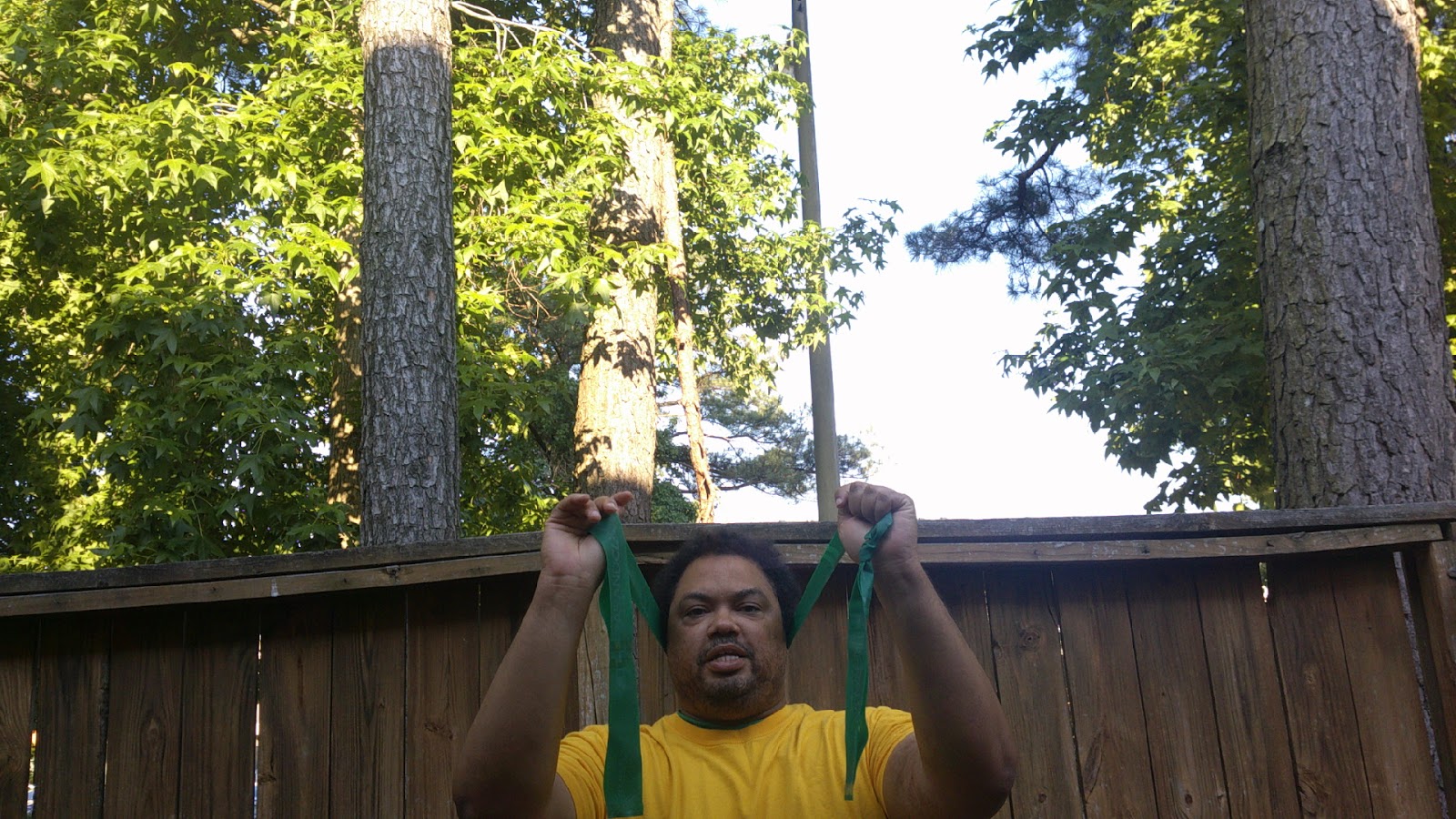
During the initial evaluation, the therapist will try to get a better understanding of your symptoms including if there are any aggravating factors, and if there are movements or activities to help minimize symptoms.A comprehensive HEP is provided that begins in symptoms free ranges and directions and progresses to the directions that provoke symptoms to return normal function and movement patterns. Some interventions utilized can include a distraction technique to reduce radiating symptoms. Resistance exercises are added to increase strength in the neck and shoulder to allow you to return to premorbid activity. It’s important to have an exam that screens the shoulder, neck, and mid-back because other treatable issues can also have similar symptoms. Modalities such as traction, ice/heat, and electrical stimulation serve to reduce pain momentarily but will not fix the issues at hand. For athletes, proper equipment and correction of technique can help reduce the likelihood of recurrence.
If you have any questions about stingers or other orthopedic issues please feel free to contact Fearless Physical Therapy via the link on our webpage and we will do are best to assist you. Also if you’ve been enjoying the blogs please click the subscribe/follow button. I included a link below if anyone wants to purchase high quality bands to perform their exercises.
As an Amazon Associate I earn from qualifying purchases.
Cretia was a 28-year-old mother of a 7-year-old boy that just got married about a year ago. After her baby was born she decided to go back to school and earned her Masters Degree in Engineering. Cretia lived a very active lifestyle: she did kickboxing with her co-workers 2 or 3 times a week. Her and her husband, Rick, would go out salsa dancing every Friday night. Rick couldn’t really dance but he was extra and his charm pulled it off even if he occasionally stepped on her toes or bumped into her. He was just so happy to be with such a vibrant, beautiful, and strong woman that he would have ridden a bull with a Viking hat singing country music while blindfolded if she asked him. She was making good money and could go on trips a couple of times a year. They had a trip planned to Tahiti for the end of the summer. Cretia and her friends always went on small trips and when they were out she was the center of attention Life was great.
Three months ago as she was on her way to kickboxing class and her whole life changed. She was at a stoplight and was struck from behind. Initially, she was ok, the pain was minor and the car wasn’t bad off. She woke up a few days later and she felt like she got into a fight with a cement mixer and lost. She went to her doctor and then had therapy where she did some exercises but spent most of her time on a hot or cold pack with electrical stimulation. Honestly, she felt like she could have just had a V8 as she really couldn’t tell a difference. During this time Cretia was too sore to go to kickboxing class and hasn’t been back since. She and Rick stopped dancing because she couldn’t move as well and it’s ok when one stiff-person is dancing but if both partners are stiff that just looks wrong.
She started to notice other small changes. Her son complained on Saturday that she doesn’t play outside with him anymore. Rick didn’t say anything but she knew he was starting to get frustrated about their lack of “activity” in the bedroom and when they did she was uncomfortable and it all just felt mechanical. She wasn’t sleeping well and began dozing off at work. Cretia got upset when she saw that her friends went away for a weekend and posted pictures on the Gram. When she called her girls out on it they told her that they didn’t think she wanted to go since she stopped hanging out with them. That is when Cretia realized that she made too many concessions in her life because of that accident.
She went back to her doctor but he told her the X-rays were negative. He gave her some more pain medicine which only put her to sleep and sent her back to therapy. She didn’t really want to go but her family made her.
Every day, I encounter someone with a similar story. Everyday. People live in pain every day and every day they make concessions on what they do because of pain. I get it. I loved to run when I was younger but after I got hurt the second time I gave up on it because it hurt too much. Sometimes it’s not even giving up something that big. You may have begun making small minor changes in your life because you didn’t like the pain and wanted to avoid it. Small changes are all well and fine but for many, the changes to your lifestyle start to become bigger and bigger. Maybe you stopped going for walks in the park but eventually you stopped walking. Others stopped going to certain places because the seats were uncomfortable or they didn’t want to mess with the stairs. Eventually, they stopped going out and now they feel like their best friends have abandoned them because they don’t come to visit. They become isolated and alone and then sedentary. Work has suffered or the family is complaining.
People come to me not just because they are in pain but because the pain has taken something away from them. My job is to help them get that piece of themselves that was stolen back. I would love to say that I’m going to get 100% of people back to 100% pain-free. I could put that on a sign and start swimming in money like Scrooge McDuck. No Therapist or Doctor can make that promise. Pain is too complex and individual to each person and their life and past experiences. Pain reminds me of the traps that Fred used to come up within the Scooby-Doo cartoons, you know those traps that had a million working pieces and if Shaggy and Scooby was an inch too far to the left the whole thing went to pot.
So the therapy program has to be adaptable, has to have leeway to make modifications because well pain is different. The main thing is finding out what that person holds important and get them back to it with a minimal amount of pain possible. For our hypothetical Cretia, it is to get back to the things she is missing enjoying family time, sleeping, and hanging out. How can I help you feel better today?
I can’t be the only one that feels dejected right now? Anyone else feel like there is afoot on their neck? Am I the only one that is looking back at the past and wishing that I could go back? It feels like for every inch I gain that I lose a mile. If I turn to look at others they seem to be so far ahead of me that it is physically sickening. Every idea that I’ve had someone has beaten me to the punch in implementing. Do you hate it when somebody else did the same thing that you did but better? My family has tried to motivate me and it’s just empty words right now. What do you do when the motivational quotes just don’t motivate you anymore?
If you’re like me, you started this journey to meet a need or to right a wrong or maybe you just felt that you could do better. Life is funny. Try to be more or do better and you face conflict at every turn. Try to leave your station and get met with obstacle after obstacle. Loved ones who you feel like never really got behind your dream… let’s be honest they didn’t even understand the dream. In less than a year I’ve been the textbook definition of morose half a dozen times. I was down 15 pounds and doing a good job of being motivated about sticking to my diet. I was out marketing every day. Then the rejections began coming and the car needed a few repairs which stopped me for a few days. Then I missed a day at the gym which became a couple of weeks and then when this Coronavirus hit. That coronavirus was a petulant strumpet just sucking up all the wind in my sails. I got down and isolated. I even spent one day trying to figure out if time travel was possible so that I could curb stomp every person that spoke some famous line that people used for motivational speeches. I loved watching the old Charlie Chaplin movies as a kid but if I got that time machine working he was going to catch these hands. I ask again, what do you do when the external motivation doesn’t motivate you anymore.
I guess there are only two choices now. I can either turnaround and run with my tail stuck between my legs or I can forget about feeling and remember my purpose for starting this journey. The former looks appetizing and at times draws me like a siren’s song. Like that siren’s going back will surely mean death. No not a physical death but the death of my dreams and aspirations, a death of the promise I gave my grandmother in that damn bed. A promise I made to myself after watching that woman struggle for the last 13 years of her life. Sure I can make a killing just being a 9-5 Therapist but I did that and felt empty. The time I’ve spent striving and pressing towards this dream, this goal has not been easy but when else have I felt more accomplished. So for me this is a simple decision.
I keep pressing, I keep climbing mountains and running through walls. My purpose and my triumph is on the other side. A good friend told me once that “Anything worth having is going to require a fight.” The time is ripe to relish the small victories, to grab hold of every foothold and propel myself off of it like a rocket unto the next. Needless to say, I haven’t gotten around to building that time machine so Thomas Paine is safe for the moment and I will leave y’all with a quote from him “The harder the conflict, the more glorious the triumph.”
Do you have difficulty reaching the top shelf of the cabinet or fastening your bra? Are you waking up at night if you roll over onto your side or have you noticed that pouring milk into coffee is a burden? Your Physician advised you it was an issue with your shoulder but you didn’t quite understand what he or she said. Are they telling you that the problem is in your shoulder but you are feeling it in other areas? The shoulder articulation is a complex structure composed of the sternoclavicular joint, acromioclavicular joint, glenohumeral joint, and scapulothoracic joint. The shoulder also consists of a joint capsule, muscles, ligaments, and tendons. Action in the shoulder requires a certain amount of movement in the mid-back and cervical spine. Shoulder pain can refer down your arm and shoulder blade which works with your mid-back. Among so many moving pieces it is no wonder shoulder issues are some of the most common problems Physical Therapists encounter in clinics. As a P.T. I ordinarily see patients who have been diagnosed with either a rotator cuff pathology, bursitis, or impingement. Before we go any further I feel like I must implore you to not get too caught up in a diagnosis because like with most issues in the body if provided the right care you will get better. Also don’t let a diagnosis freak you out and have you make drastic life choices before you are ready.
Many patient’s come in with a diagnosis of Rotator cuff lesion. The rotator cuff is a group of four muscles that help to stabilize the shoulder and assist with rotation and abduction of the shoulder. The muscles in the rotator cuff include the Supraspinatus which helps move the arm away from the body, the Infraspinatus and TeresMinor which help to perform motions such as brushing your hair or the overhead motion to throw a baseball or volleyball and the Subscapularis which helps with motions such as scratching your back and wiping your bottom. These rotator cuff muscles are like support beams of the shoulder helping to provide some stability during movement. Like support beams they are generally strong especially if proper care and maintenance have been given to them. Of these stabilizing structures the supraspinatus is most often involved with issues such as a rotator cuff tear or tendonitis. It is generally the most diminutive of the four and gets a lot of work. Innumerable patients have come in fearing the worst when informed that their shoulder presents with some type of rotator cuff pathology. Physical Therapy will customarily include some type of strengthening and mobility program focusing on these muscles. A superior program will consist of exercises in each plane that the shoulder moves in and in multiple positions focusing on activities pertinent to the patient being seen. Also the patient should be properly assessed in other regions of the body to make sure there are no underlying factors that could be contributing to the shoulder pain/limitations and if found these issues should be addressed. Modalities such as ice, heat, or even electronic stimulation should be used sparingly and definitely should not take up the majority of the treatment session.
Another diagnosis of the shoulder commonly seen in clinics is Shoulder Bursitis. A bursa is a fluid-filled sac that serves to reduce the friction of one surface gliding on another. A bursa is supposed to allow for a smoother ride. Bursitis is the inflammation or irritation of one of these bursae. Research shows that there are at least 6-8 bursae in the shoulder. Signs of bursitis include a “hot spot” that is quite sensitive to touch, decreased mobility, and pain with movement and with pain with an activity such as lying on the shoulder. Bursae generally just don’t switch to an irritated state on their own and are usually due to some type of trauma or compensatory pattern. Conservative interventions generally achieve resolution when managing bursitis. Focus initially is placed on reducing pain to tolerable levels, then working to improve either a lack of coordination, mobility, and strength but usually all three.
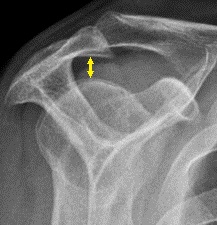
As a therapist, I’ve endured a cascade of scripts calling for treatment of Shoulder Impingement Syndrome. Impingement is noted to be inflammation of a tendon in a very narrow space. For instance follow your collarbone from your sternum down to the close to your shoulder. There is a bump there called the Acromion. Walk your fingers just below that bump and you have your Subacromial Space. Many individuals are tender in that area and have been diagnosed with impingement. The subacromial space is similar to a modest studio apartment with multiple roommates. As long as everyone minds their business it can work even though there may be some occasional aches in pains in the living arrangement. It’s when one roommate starts taking up too much space is there a problem. As with the other two pathologies most of these people do well without surgical interventions.
It is important to remember that “You are not your diagnosis”. Most of these issues are part of the normal aging process and can usually be improved to at least a satisfactory level if one is willing to put the work in and make any necessary changes. There will be some pain at times a lot of pain but remember pain is required to grow. The gardener has to prune the vine to get the good fruit to grow. Don’t let the pain and decreased motion wreck your life by limiting what you do. Fear, uncontrolled stress and depression slows down the healing process and aren’t conducive to your health. Find a good Physical Therapist that empowers you to be an active, driving force in your treatment and who doesn’t just treat you as a diagnosis.





 “Bleachers” is one of the most feared commands ever uttered by a coach. After about 2 times ascending the stairs, your body starts to feel it. 5 to 10 times up and yes there’s a burn. 20 times or more and you start to become religious praying that your destination is on the varying next floor. In PT school our anatomy lab was on the 10th floor. To progress to the next floor you had to go up 2 flights of about 12 steps each. 240 steps in the hot summer carrying a bookbag weighing about 40 pounds. The numbers of students taking the steps dwindled by the day and those that did continue taking the steps made sure they had an extra water bottle to replenish themselves after we finished climbing our Mt. Everest. The




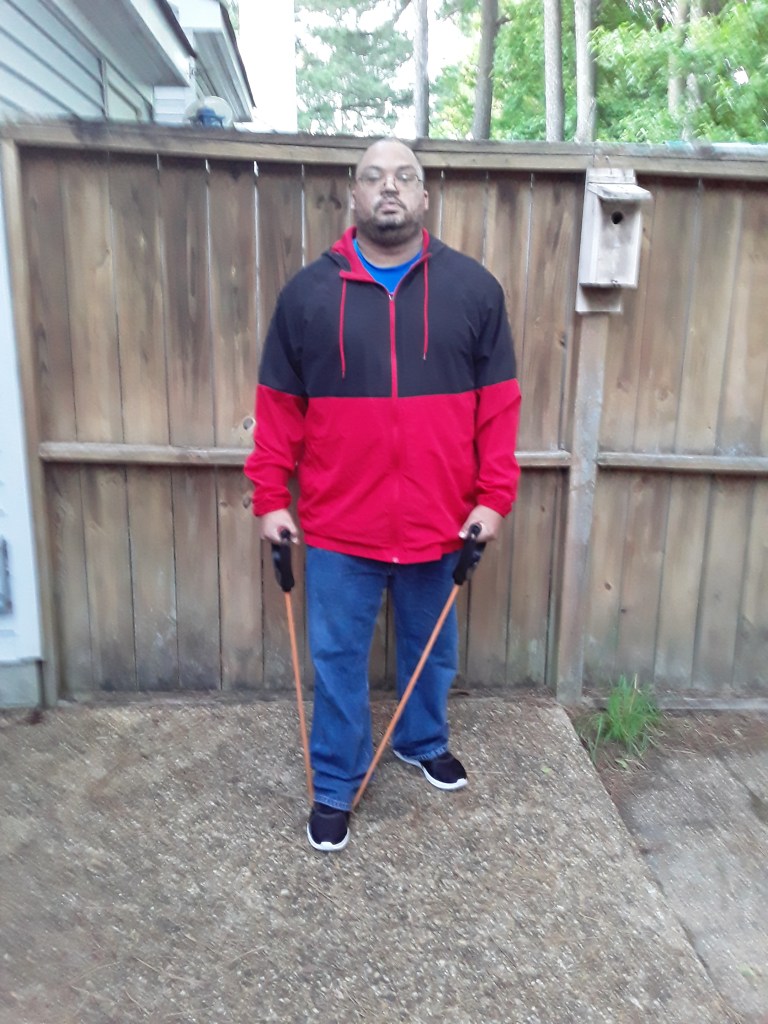


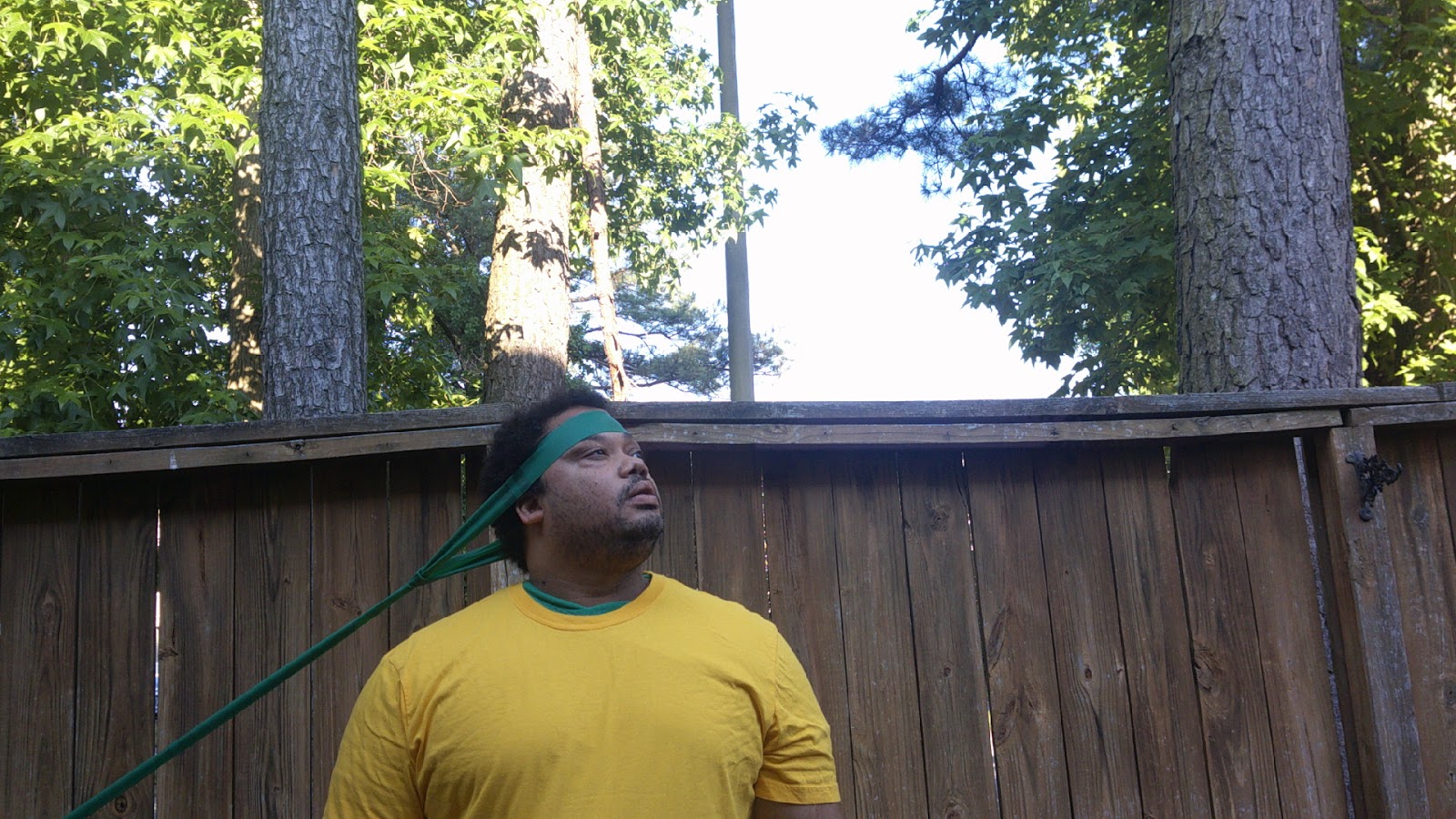

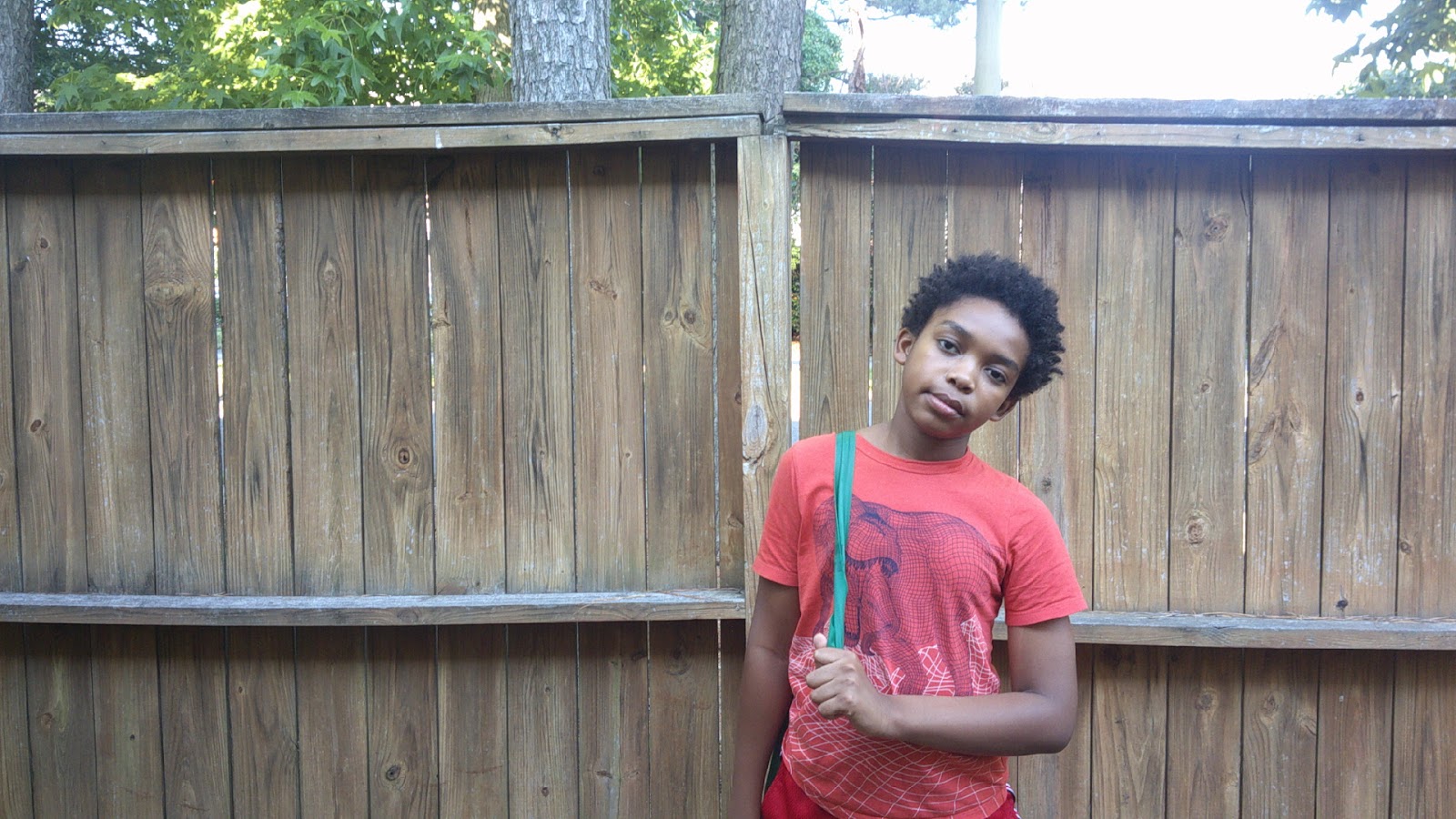 A comprehensive HEP is provided that begins in symptoms free ranges and directions and progresses to the directions that provoke symptoms to return normal function and movement patterns. Some interventions utilized can include a distraction technique to reduce radiating symptoms. Resistance exercises are added to increase strength in the neck and shoulder to allow you to return to premorbid activity. It’s important to have an exam that screens the shoulder, neck, and mid-back because other treatable issues can also have similar symptoms. Modalities such as traction, ice/heat, and electrical stimulation serve to reduce pain momentarily but will not fix the issues at hand. For athletes, proper equipment and correction of technique can help reduce the likelihood of recurrence.

 I can’t be the only one that feels dejected right now? Anyone else feel like there is afoot on their neck? Am I the only one that is looking back at the past and wishing that I could go back? It feels like for every inch I gain that I lose a mile. If I turn to look at others they seem to be so far ahead of me that it is physically sickening. Every idea that I’ve had someone has beaten me to the punch in implementing. Do you hate it when somebody else did the same thing that you did but better? My family has tried to motivate me and it’s just empty words right now. What do you do when the motivational quotes just don’t motivate you anymore?
 That coronavirus was a petulant strumpet just sucking up all the wind in my sails. I got down and isolated. I even spent one day trying to figure out if time travel was possible so that I could curb stomp every person that spoke some famous line that people used for motivational speeches. I loved watching the old Charlie Chaplin movies as a kid but if I got that time machine working he was going to catch these hands. I ask again, what do you do when the external motivation doesn’t motivate you anymore.
 Many patient’s come in with a diagnosis of Rotator cuff lesion. The rotator cuff is a group of four muscles that help to stabilize the shoulder and assist with rotation and abduction of the shoulder. The muscles in the rotator cuff include the Supraspinatus which helps move the arm away from the body, the Infraspinatus and Teres Minor which help to perform motions such as brushing your hair or the overhead motion to throw a baseball or volleyball and the Subscapularis which helps with motions such as scratching your back and wiping your bottom. These rotator cuff muscles are like support beams of the shoulder helping to provide some stability during movement. Like support beams they are generally strong especially if proper care and maintenance have been given to them. Of these stabilizing structures the supraspinatus is most often involved with issues such as a rotator cuff tear or tendonitis. It is generally the most diminutive of the four and gets a lot of work. Innumerable patients have come in fearing the worst when informed that their shoulder presents with some type of rotator cuff pathology. Physical Therapy will customarily include some type of strengthening and mobility program focusing on these muscles. A superior program will consist of exercises in each plane that the shoulder moves in and in multiple positions focusing on activities pertinent to the patient being seen. Also the patient should be properly assessed in other regions of the body to make sure there are no underlying factors that could be contributing to the shoulder pain/limitations and if found these issues should be addressed. Modalities such as ice, heat, or even electronic stimulation should be used sparingly and definitely should not take up the majority of the treatment session.