I have worked the majority of my career in the Orthopedic setting. In that time I’ve seen thousands of post-op patients such as total knee replacements, lumbar and cervical fusions, and rotator cuff repairs. The last few years I have also worked in Home Health and have had the opportunity to see patients who are one day out of surgery.
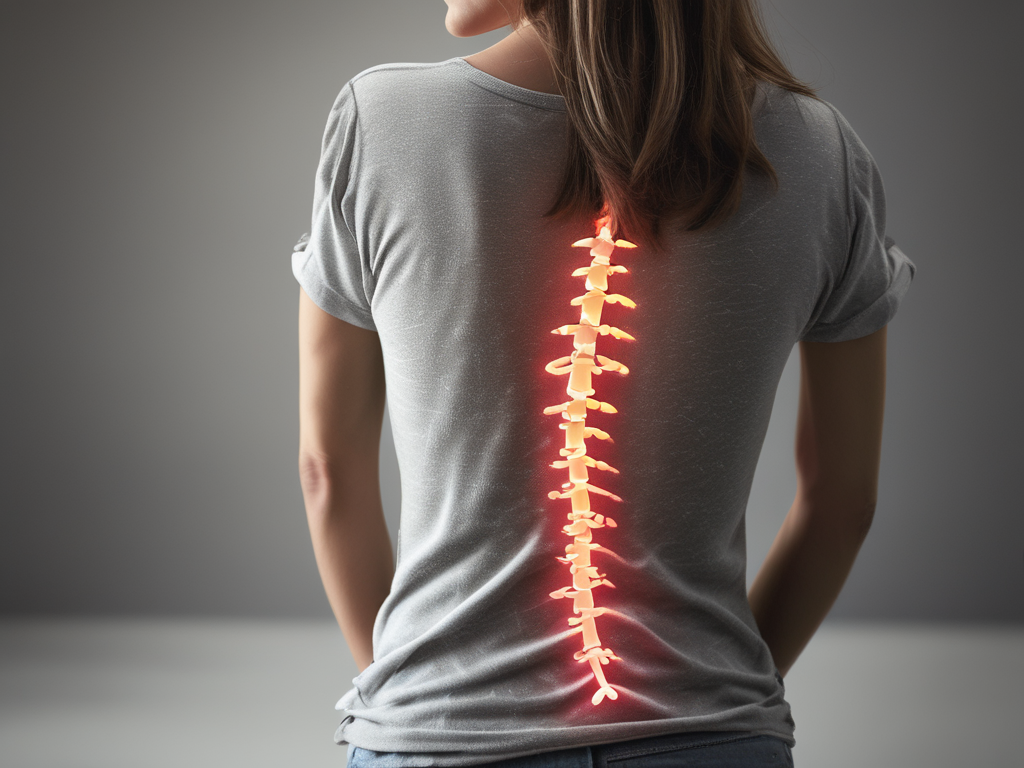
The first question I get is almost always “Is it supposed to hurt like that?” “ How long is it going to hurt like this?” “ It’s not supposed to hurt, something is wrong.” The unfortunate thing is the answer a lot of times is it depends. I know that is not what my clients want to hear but it’s the honest answer. Many times this person is in more pain than what they expected to be in. Their expectations were that after surgery the pain that caused them to get surgery would be gone. The thing is surgery involves movement or cutting of tissue which the body interprets as trauma. So the body will respond to that trauma causing inflammation and swelling, adaptive shortening, and other responses to protect the site of injury/trauma to allow for proper healing.
I can go into all the average healing times of muscles, ligaments, and tendons. For the most part, they generally hold up but one also has to factor in the person’s overall health, emotional state, sleep patterns, eating habits, beliefs about pain, and a host of other factors. Each person is going to respond differently. The joint/muscle can be completely healed on every scan that the doctor takes but the pain is still 10/10 because one of the other factors has taken the reins and won’t let go. There are some things that the patient can do to help out.
People who are active prior to surgery generally tend to do better movement wise. When I say active I don’t mean in the gym 3-4 times a week. It’s the people who try walking 30 minutes a day prior to surgery. It seems small but that one activity helps with overall health and if it’s a habit already it will be easier to do post surgery. With back and lower extremity surgeries one of the major activities we prescribed to our clients is to walk frequently throughout the day. One of the things our bodies need to heal is a good blood flow to the area involved. Walking for 30-plus minutes improves overall cardiovascular activity and health, increasing the blood flow to promote healing.
There are times when the patient has a difficult time adjusting to the life changes that have occurred due to the surgery/injury. Many times due to restrictions they cannot participate in activities around and out of the house that were a big part of who they were. Some have a hard time adjusting to finally having to ask for help. It helps to speak to someone to get these feelings out and wrap their head around it. I know in many cultures seeking counseling is taboo. The thing is if those negative emotions slow down the healing process.

Another thing that helps is surrounding yourself with the right people. The friends that keep you in good spirits, laughing, and in a more positive state of mind are important. You want the people who are going to make you be as active as possible around. There are times I find myself getting frustrated because the family is doing everything for the patient. The family believes that they are being helpful and doing the best for their family members. The thing is by doing everything for the injured party they are not allowing the patient to heal properly. Motion is lotion and the more movement one can get the better they can heal. That means letting them do as much of their normal routine as possible. Reaching into a cabinet to get a glass, and putting their plates in the sink may not seem like much but those small movements definitely add up.
Also understand that there is going to be some pain. It’s part of the normal healing process. It is important that we learn how to differentiate between bad pain and soreness/discomfort. Our muscles post surgery are going to be tight and there will be discomfort with movement. You have to ask yourself if this pain is telling you something bad or if it’s something your body isn’t used to. I generally tell my clients that if the pain only moves up 2-3 points it is okay but more than that we need to find a modification to the activity or maybe right now we need to hold off. It doesn’t mean we won’t revisit it but for right now, this very minute we may put it on pause and try to find a way to lower the irritability for that activity.
The reason for surgery on a muscle or joint is usually to reduce pain. It is understandable that one would be worried about a new pain when they get out of surgery especially if it feels like more pain than before the surgery. Most times this is all part of the normal response to the trouble that your body goes through. For many that pain starts to improve a few weeks after surgery. The thing is that there are many factors involved in the healing process. So there is more that you have to look into with severe pain besides it hasn’t healed right. That being said, always bring up your concerns to your therapist or physician but if the answer we give is “it depends” it’s not because we don’t care but that there could be other issues coming into play.
 Fearless Physical Therapy PLLC